Living in Williamsburg Brooklyn: A Guide to Daily Life
April 16, 2026
April 16, 2026
If you are thinking about living in Williamsburg, you are probably wondering whether the hype matches real daily life. The short answer is yes, but with an important caveat: Williamsburg is not one single experience. It is a layered Brooklyn neighborhood with big differences from block to block, and understanding those differences can help you find the right fit. Let’s dive in.
Williamsburg is often grouped with Greenpoint in official data, so many public numbers describe the broader Community District 1 area rather than a strict neighborhood border. In that combined area, there were about 191,029 residents in 2023, with a median household income of $115,720, a homeownership rate of 16.1%, and a median rent of $2,570 in 2024 dollars, according to Brooklyn Community Board 1 and related city data.
That same data helps explain why Williamsburg has such a strong draw. It is dense, walkable, transit-connected, and full of amenities, but it is also expensive by city standards. The Brooklyn Borough President’s comprehensive plan places parts of Williamsburg among Brooklyn’s highest-access-to-opportunity areas, reflecting strong access to jobs, transit, and services.
Living in Williamsburg often means having a lot within easy reach. You can grab coffee, walk to the park, meet friends for dinner, and still have multiple commute options nearby depending on where you live. That convenience is a big part of the neighborhood’s appeal.
At the same time, the pace can vary quite a bit. Some blocks feel polished and busy from morning through late night, while others feel more residential, more mixed-use, or more industrial. That block-by-block contrast is one of the most important things to know before you move.
North Williamsburg, often called the Northside, is centered around Bedford Avenue and the L train. This is the area many people picture first when they think of Williamsburg because it has some of the neighborhood’s strongest restaurant, retail, and nightlife density.
City planning documents describe Bedford Avenue from roughly North 4th to North 10th Streets as a lively, nearly continuous stretch of shops, restaurants, and bars with housing above. If you want a highly walkable, active environment with easy access to transit, this part of Williamsburg is often where that lifestyle feels most immediate.
South Williamsburg, or the Southside, has a different feel. Around Broadway and Division Avenue, the neighborhood becomes more bridge-adjacent, more mixed-use, and less defined by the polished retail corridor many buyers and renters associate with the Northside.
That does not make it less appealing. It just means the experience is different. In Williamsburg, two homes that are only a half-mile apart can offer very different street life, housing stock, and commute patterns, as noted in NYC Planning documents.
One of Williamsburg’s defining lifestyle features is its waterfront. The East River edge has become a major public asset, with walkways, seating, trees, and skyline views shown on the NYC Planning Waterfront Access Map.
For many residents, this changes the rhythm of everyday life. Instead of treating the waterfront like a once-in-a-while destination, you can use it for morning walks, evening runs, casual meetups, or simply taking in the view after work.
Domino Park is one of the neighborhood’s best-known outdoor spaces. The park includes an East River walkway, an elevated walkway, and Domino Square, all on the former refinery site.
Nearby, Bushwick Inlet Park offers a multipurpose field, playground, viewing platform, and public waterfront access. Marsha P. Johnson State Park adds another seven acres of waterfront park space with skyline views and free daily access.
The waterfront gets a lot of attention, but Williamsburg is not just about river views. McCarren Park is a major inland anchor with 35 acres of recreational space.
According to NYC Parks, it includes a pool, play center, sports fields, and a café in the park. That matters because it supports regular routines, not just special outings. If you value a neighborhood where outdoor space fits into daily life, this is a meaningful advantage.
Williamsburg has long been known for its food and nightlife scene, and official planning documents support that reputation. The neighborhood includes concentrated retail and hospitality activity along Bedford Avenue, Grand Street, Graham Avenue, and Broadway, with city planning reports also identifying Williamsburg as a place with a notable concentration of creative, nightlife, and retail industries.
For you as a resident, that often translates into choice. You have a wide range of spots for casual meals, coffee runs, errands, and evenings out, often within a short walk. It also means some areas can feel busy and active well beyond standard business hours.
This is one reason buyers and renters should think carefully about lifestyle fit, not just apartment finishes. A beautiful apartment on a more active corridor can feel very different from a similar home on a quieter side street.
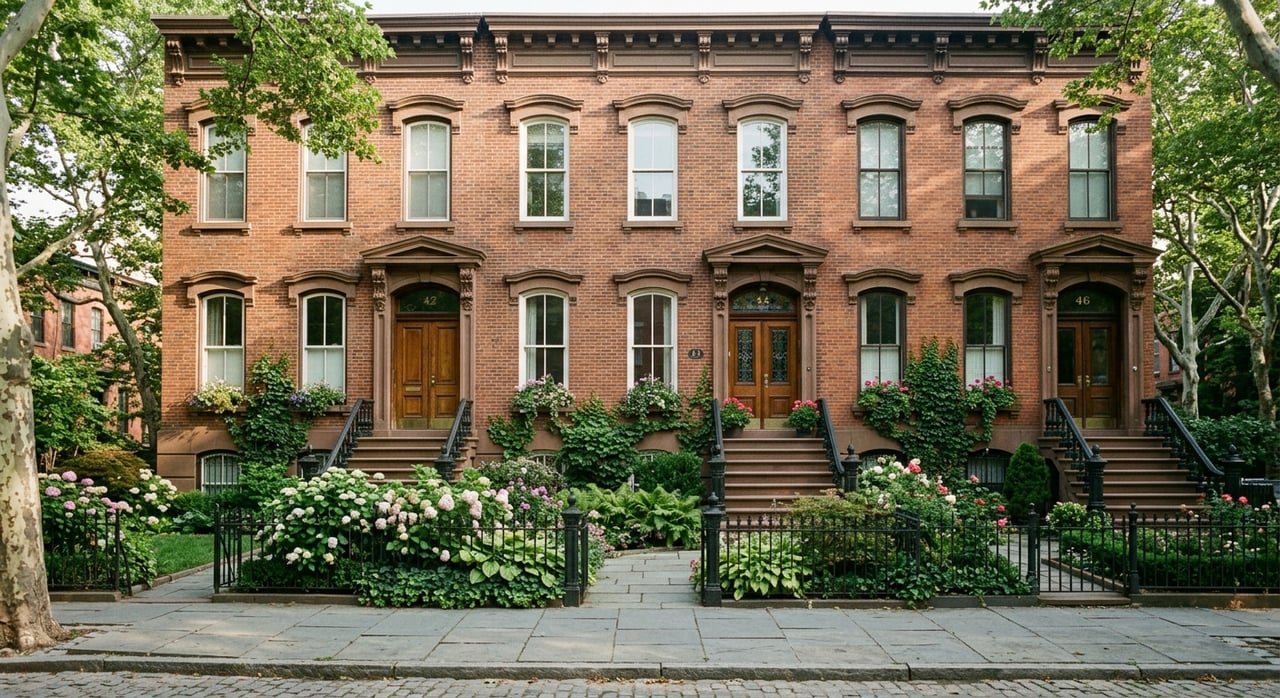
It is easy to think of Williamsburg as only glassy waterfront towers and loft-style apartments. In reality, the housing stock is much more mixed.
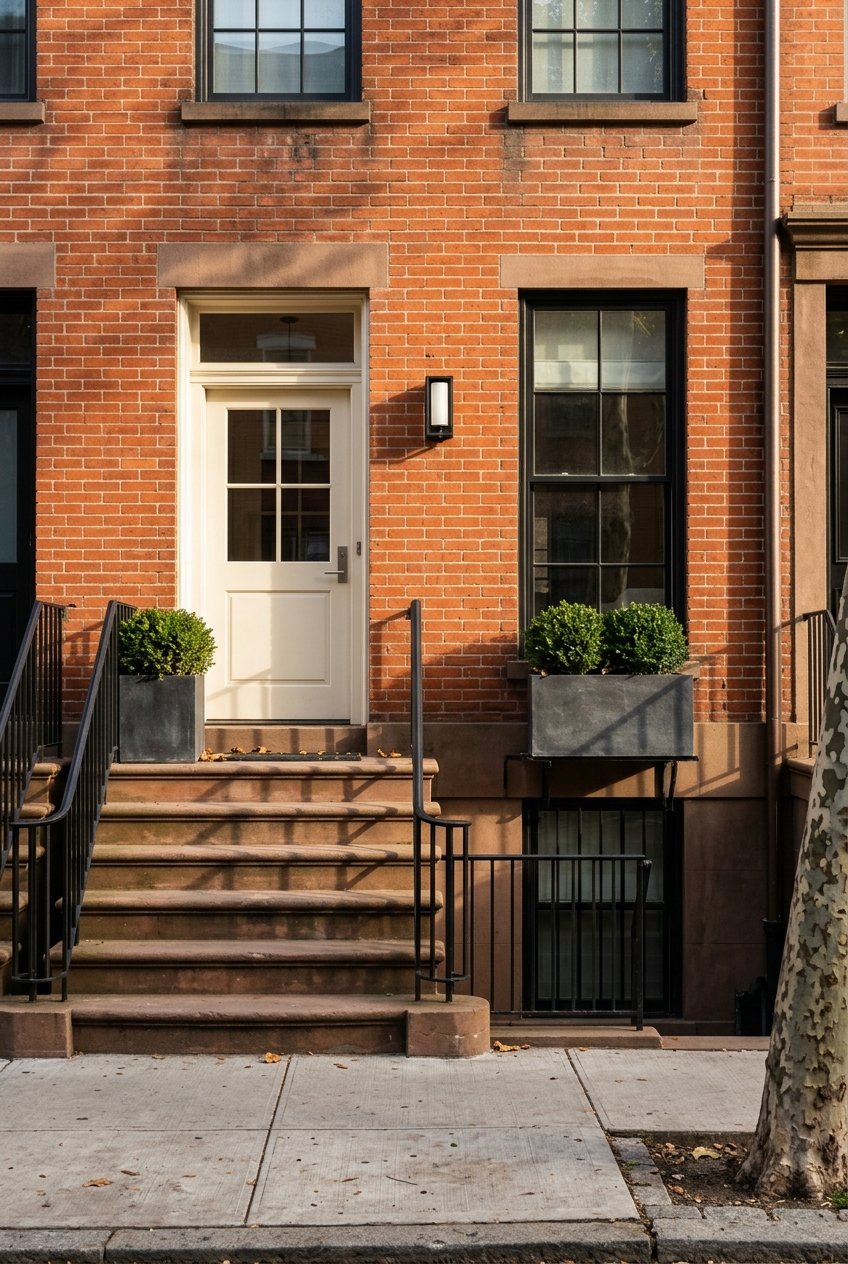
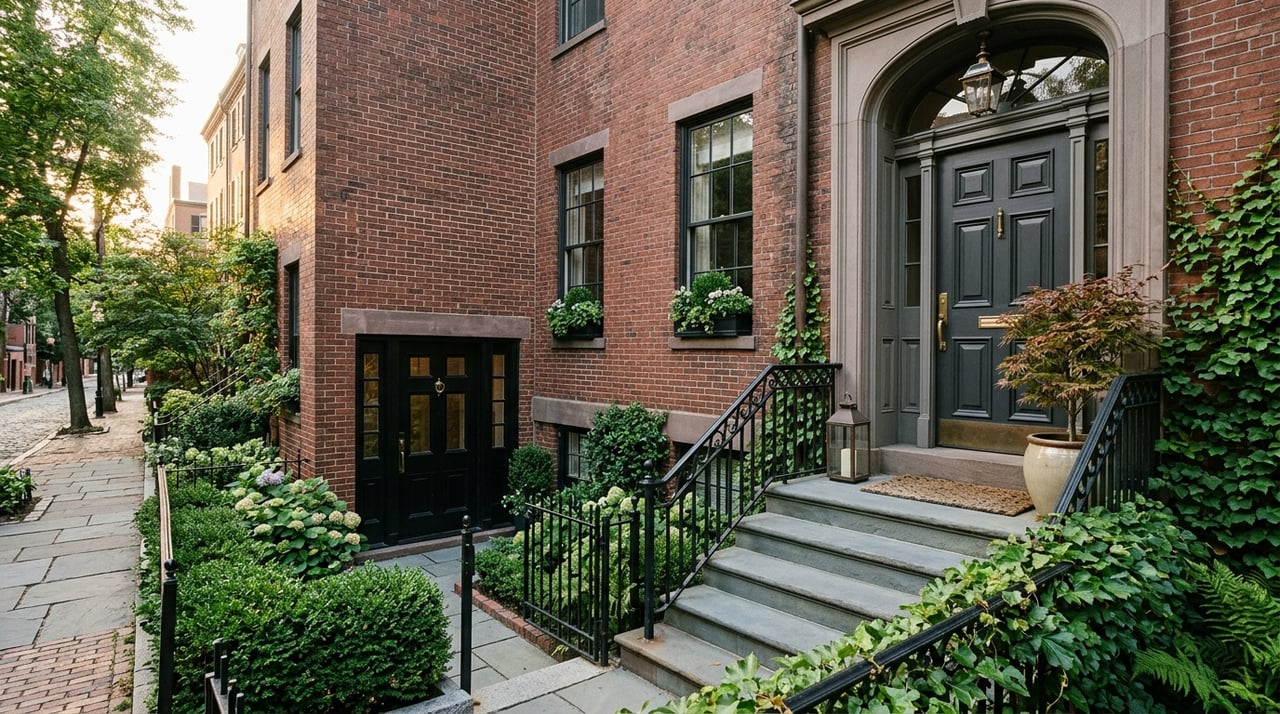
According to NYC Planning, the neighborhood includes three- to four-story brick or frame walkups, five- to six-story apartment buildings, older industrial loft buildings, low-rise industrial sites, newer waterfront development, and some remaining industrial blocks farther east. The Furman Center neighborhood profile also notes that the area includes subsidized housing, public housing, Mitchell-Lama, LIHTC, and tax-incentive units.
That mix is important because it means you are not shopping in one single housing market. You are often comparing several sub-markets at once.
A helpful way to think about Williamsburg is by micro-area:
If you are buying or renting, this is where local guidance really matters. A Williamsburg search can look straightforward online, but in person the differences between these pockets are much more obvious.
Commute access is one of Williamsburg’s biggest strengths. The neighborhood is served by the L train at Bedford Avenue and Lorimer Street, where you can transfer to the G, while the J and M/Z serve Marcy Avenue, according to the MTA subway map.
The East River ferry adds another option. NYC Ferry service information cited in the research notes approximate 31-minute trips to Wall Street/Pier 11 and East 34th Street from Williamsburg landings on the East River route.
The key detail is that transit access is not evenly distributed. If you live in the Northside or along the waterfront, your commute options may feel especially strong. As you move farther east, the convenience can shift.
Williamsburg can be a great fit if you want a neighborhood that feels active, connected, and full of options. It is especially appealing if you value walkability, public outdoor space, restaurant access, and multiple transit choices.
It may be less ideal if you want a more uniform residential feel or if you are sensitive to late-night activity on busier corridors. The neighborhood’s biggest strength is also part of its complexity: there is a lot happening here, and that energy is not distributed evenly.
For many buyers, sellers, and relocators, the real question is not whether Williamsburg is worth considering. It is which part of Williamsburg best matches how you want to live.
If you are exploring Williamsburg or comparing it with other Brooklyn neighborhoods, working with someone who understands the block-by-block differences can make the process much clearer. Josie Hubschman brings a warm, strategic approach to buying and selling in Brooklyn and Manhattan, helping you narrow in on the right fit with confidence.
Stay up to date on the latest real estate trends.


Josie is fascinated by the real estate market but understands it can feel intimidating without the right guidance. Her deep market knowledge, passion for helping others, and entrepreneurial background make her an invaluable resource for clients navigating the buying or selling process, Work with Josie today!
Get In Touch With Josie To Learn More