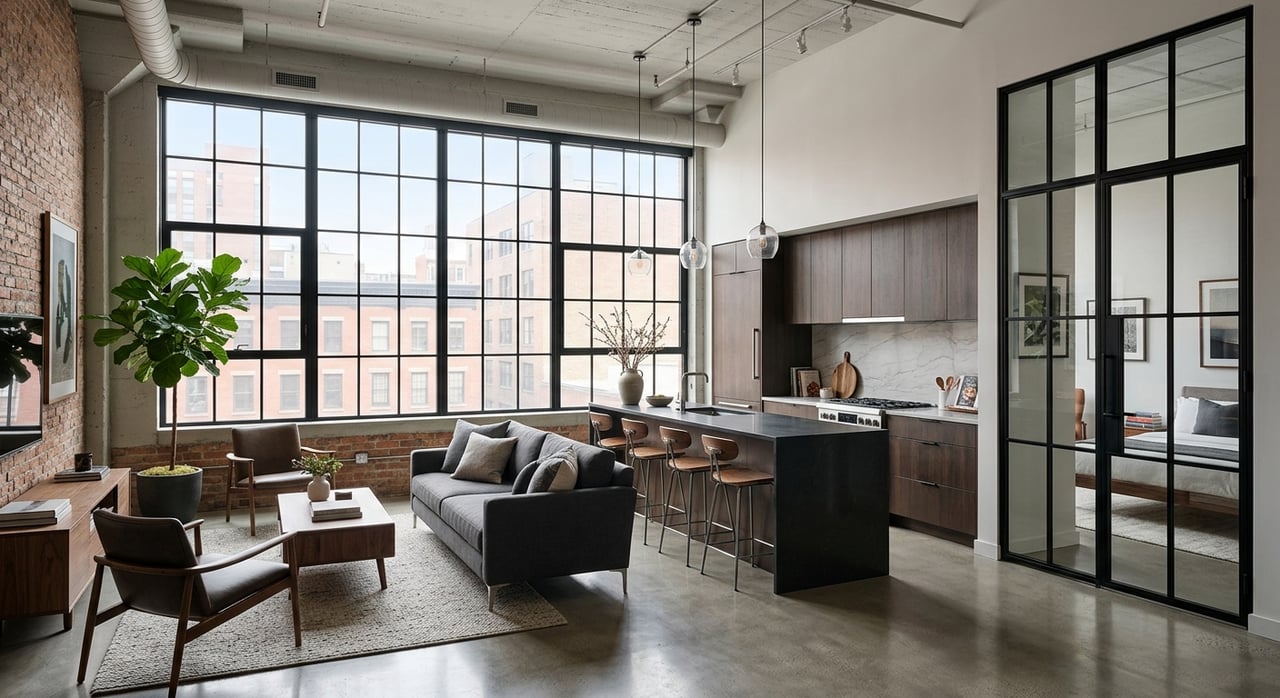
Selling A Loft Or Condo In Tribeca, Manhattan
June 11, 2026
June 11, 2026
If you are selling a loft or condo in Tribeca, you are not just listing square footage. You are bringing a very specific kind of Manhattan property to market in one of the city’s most closely watched neighborhoods. That can feel exciting, but it also raises the stakes around pricing, preparation, and presentation. The good news is that with the right strategy, you can position your home to stand out and protect your leverage from day one. Let’s dive in.
Tribeca operates in a category of its own. StreetEasy currently shows a median sale price of $3.5 million in the neighborhood, with median days on market at 54. That level of pricing means buyers tend to be discerning, and they often compare your home against other high-end options downtown.
What makes Tribeca especially unique is its housing mix. The neighborhood is known for cast-iron lofts, cobblestone streets, and newer luxury buildings, so buyers are often shopping for a lifestyle as much as a floor plan. As a seller, that means your home needs to be positioned with precision rather than treated like a generic Manhattan listing.
Even in a strong neighborhood, broader Manhattan conditions matter. StreetEasy reported that Manhattan inventory rose 9.3% year over year to 6,999 homes for sale in December 2025. Miller Samuel’s Q4 2025 Manhattan report also showed 8.2 months of supply in the condo market, along with a 5.9% listing discount.
That matters because buyers have options. If your home is overpriced or underprepared, it may sit while better-positioned listings capture attention first. In a market with more supply, a strong first impression is not a bonus. It is essential.
In Tribeca, neighborhood averages only tell part of the story. A full-floor prewar loft and a condo in a newer amenity building may appeal to different buyers, even at similar price points. The most useful pricing strategy is to look closely at your building, your line, your condition, and your direct competition.
This is especially important because Tribeca pricing sits well above the broader Manhattan condo median of $1.661 million. If you aim too high based on neighborhood prestige alone, you risk losing momentum in the first few weeks, which can weaken your negotiating position later.
The first price should be your best price, not a test. Buyers in this segment are informed, and they can quickly spot a listing that is reaching. In many cases, correct pricing from the start does more to preserve value than a series of later price reductions.
StreetEasy reported that Manhattan homes entering contract spent a median of 91 days on market, while Tribeca’s median was 54 days. That gap is encouraging for local sellers, but it should not create false confidence. A well-priced home can move efficiently, while an overpriced one can stall even in a desirable area.
Buyer priorities in New York City go beyond the apartment itself. StreetEasy found that 62% of buyers prioritize neighborhood amenities, 49% prioritize commute time, 40% prioritize access to public transit, and 37% prioritize proximity to family and friends.
For a Tribeca seller, this means your value story should include both the residence and the surrounding convenience. The downtown location, transit access, restaurants, and everyday ease all shape how buyers perceive value. Your marketing should reflect that broader picture without overstating anything.
StreetEasy’s 2025 review found that the most-searched sales amenities were in-unit laundry, elevator, doorman, dishwasher, and private outdoor space. Search interest also rose for parking, laundry in building, dishwasher, central air conditioning, and fitness center.
If your condo or loft includes any of these features, they should be easy to spot in the listing copy, photos, and showing flow. Buyers should not have to work to discover your home’s strongest advantages. Clear presentation helps them connect the dots faster.
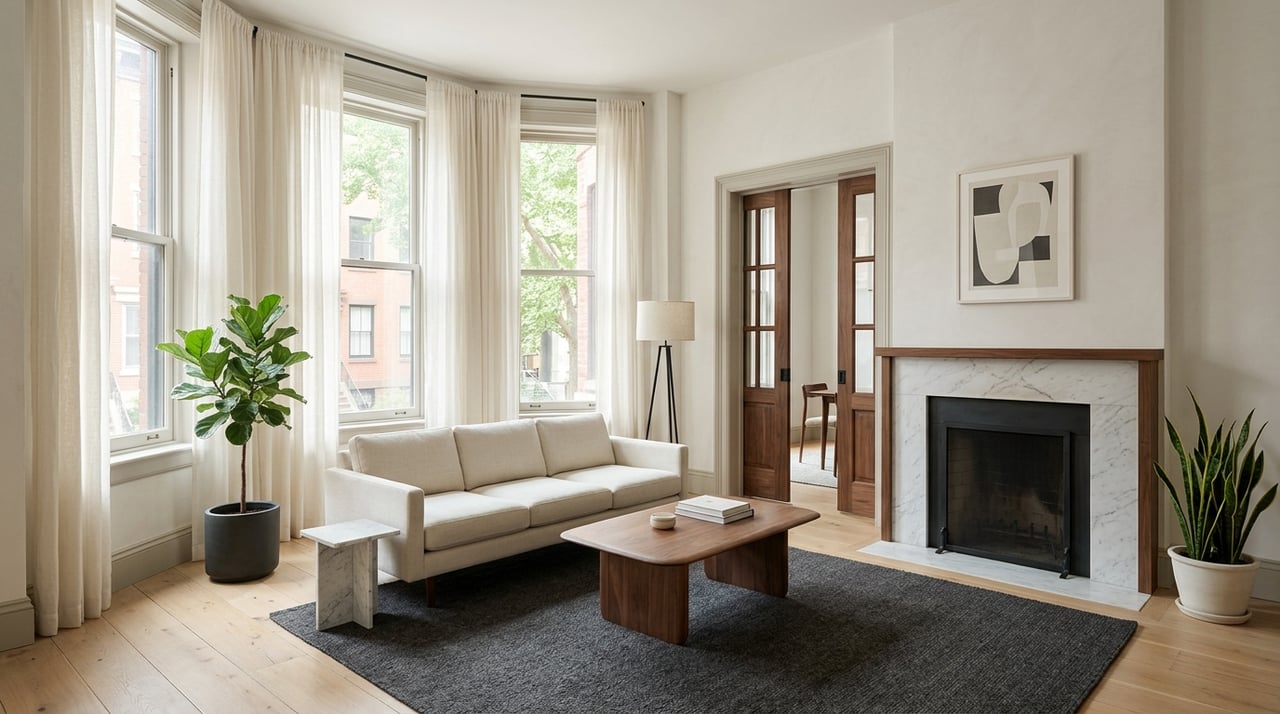
Tribeca loft buyers are often drawn to scale, light, and character. High ceilings, large windows, and open volume are part of the appeal, so your preparation should support those strengths. Too much furniture, visual clutter, or heavy window treatments can make a loft feel smaller and less distinctive.
The goal is to help buyers experience the space in a way that feels calm and usable. You want the apartment to feel expansive, but also easy to live in. That balance matters because layout has become a major factor in how buyers evaluate a home.
Buyer preferences are not one-size-fits-all. Research cited in the report notes that some buyers prefer open layouts, while others place even more weight on usable room definition than on square footage or finishes. In a loft, that means your staging and furniture placement should show how the space works day to day.
A seating area, dining zone, and sleeping or office setup should feel purposeful. When buyers can understand how the home functions, they are more likely to imagine themselves living there. That can be especially powerful in larger, more flexible spaces.
For many Tribeca condos, the strongest pre-sale strategy is simple and disciplined. Neutral cosmetic updates, deep cleaning, decluttering, lighting fixes, and small refreshes often go further than ambitious last-minute renovations. Buyers are increasingly willing to pay for homes that feel finished rather than for projects they need to manage after closing.
Zillow’s 2026 research found that lifestyle-driven amenities and move-in-ready finishes can sell for as much as 5.4% more than expected, while turnkey and remodeled homes can command premiums and fixer-uppers tend to sell at a discount. For sellers, that is a strong argument for polishing what you already have rather than overbuilding right before launch.
According to NAR’s staging report, the most common seller recommendations are decluttering and cleaning. The most commonly staged rooms are the living room, primary bedroom, dining room, and kitchen. In Tribeca, those spaces often carry the visual weight of the listing, especially in open-plan homes.
If your apartment has a dramatic living space or a kitchen that opens into the main entertaining area, those zones deserve extra attention. They often set the tone for the entire showing. When these rooms feel polished, the whole home tends to feel more valuable.
NAR’s 2025 Profile of Home Staging found that 83% of buyers’ agents said staging made it easier for buyers to visualize a property as a future home. The same report found that 29% reported a 1% to 10% increase in dollar value offered, and 49% of sellers’ agents said staging reduced time on market.
The report also showed that buyers’ agents consider photos, physical staging, videos, and virtual tours highly important. In a neighborhood like Tribeca, where many buyers begin with a strong visual filter, media quality can shape whether they book a showing at all. Professional presentation is part of your pricing strategy because it helps justify value from the first click.
StreetEasy has reported that buyers should expect a busier New York City sales market as inventory rises, and that spring buyers will likely see more choices. More inventory can bring more active shoppers, but it also means more competition. That is why timing is about preparation as much as seasonality.
If you have a six- to eighteen-month runway, use it wisely. Finish repairs, refine the look of the apartment, and build your launch plan well before you list. Zillow’s 2026 analysis found that homes listed in late May sold for about 1.7% more on average, which reinforces the value of being ready before the market gets crowded.
Sellers in Tribeca should understand transfer taxes early, because they affect your net proceeds and negotiating flexibility. According to NYC, the Real Property Transfer Tax for residential transfers is 1% at $500,000 or less and 1.425% above that amount. New York State also generally imposes a 0.4% real estate transfer tax that is typically the seller’s responsibility.
The buyer usually pays the separate 1% mansion tax on residential transfers of $1 million or more. While that is not your direct closing cost, it can still influence how a buyer thinks about total purchase cost at certain price points. A clear net sheet helps you make better decisions about pricing and deal terms.
A successful Tribeca sale usually comes down to a few fundamentals done very well. Price the home against the right comps. Prepare it so the layout, light, and finishes read clearly. Market it with strong visuals and a story that reflects how buyers actually shop in this neighborhood.
That process takes judgment, organization, and local context. In a market where buyers compare details closely, the homes that win are usually the ones that feel thoughtfully positioned from the start.
If you are thinking about selling a loft or condo in Tribeca, working with someone who understands Manhattan pricing, presentation, and process can make the path feel much more manageable. To talk through timing, strategy, and what your home could command in today’s market, connect with Josie Hubschman.
Stay up to date on the latest real estate trends.
Josie is fascinated by the real estate market but understands it can feel intimidating without the right guidance. Her deep market knowledge, passion for helping others, and entrepreneurial background make her an invaluable resource for clients navigating the buying or selling process, Work with Josie today!
Get In Touch With Josie To Learn More