A Guide to Park Slope Brownstone Living
April 23, 2026
April 23, 2026
If you picture classic Brooklyn living, chances are you are already thinking about a Park Slope brownstone. For many buyers, the appeal is not just the facade or the stoop. It is the full rhythm of daily life, from mornings near Prospect Park to errands on the avenues and evenings in a home with distinct floors and historic character. If you are wondering what brownstone living in Park Slope really feels like, this guide will help you understand the layout, lifestyle, and neighborhood patterns that make it so recognizable. Let’s dive in.
Park Slope has a built-in sense of place that is hard to mistake. The Landmarks Preservation Commission describes the neighborhood as bounded by Flatbush Avenue, 15th Street, Fourth Avenue, and Prospect Park West, with historic districts known for their tree-lined streets, modest scale, residential character, and strong architectural integrity. NYC landmark documentation also notes that Park Slope is home to one of the earliest and largest historic districts in New York City.
That context matters when you are thinking about a brownstone here. Park Slope is not simply a neighborhood with a few older homes mixed in. Its streetscape is still largely defined by late-19th- and early-20th-century row houses and flats buildings, which gives many blocks a consistent look and feel.
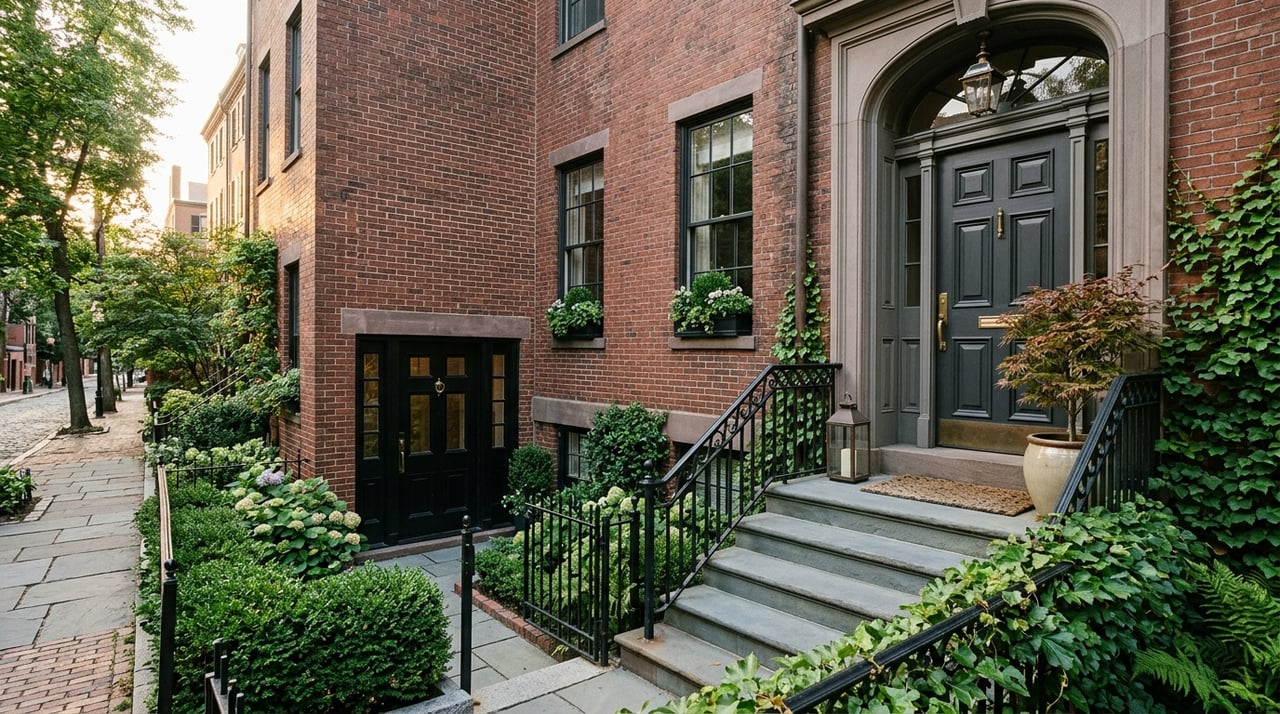
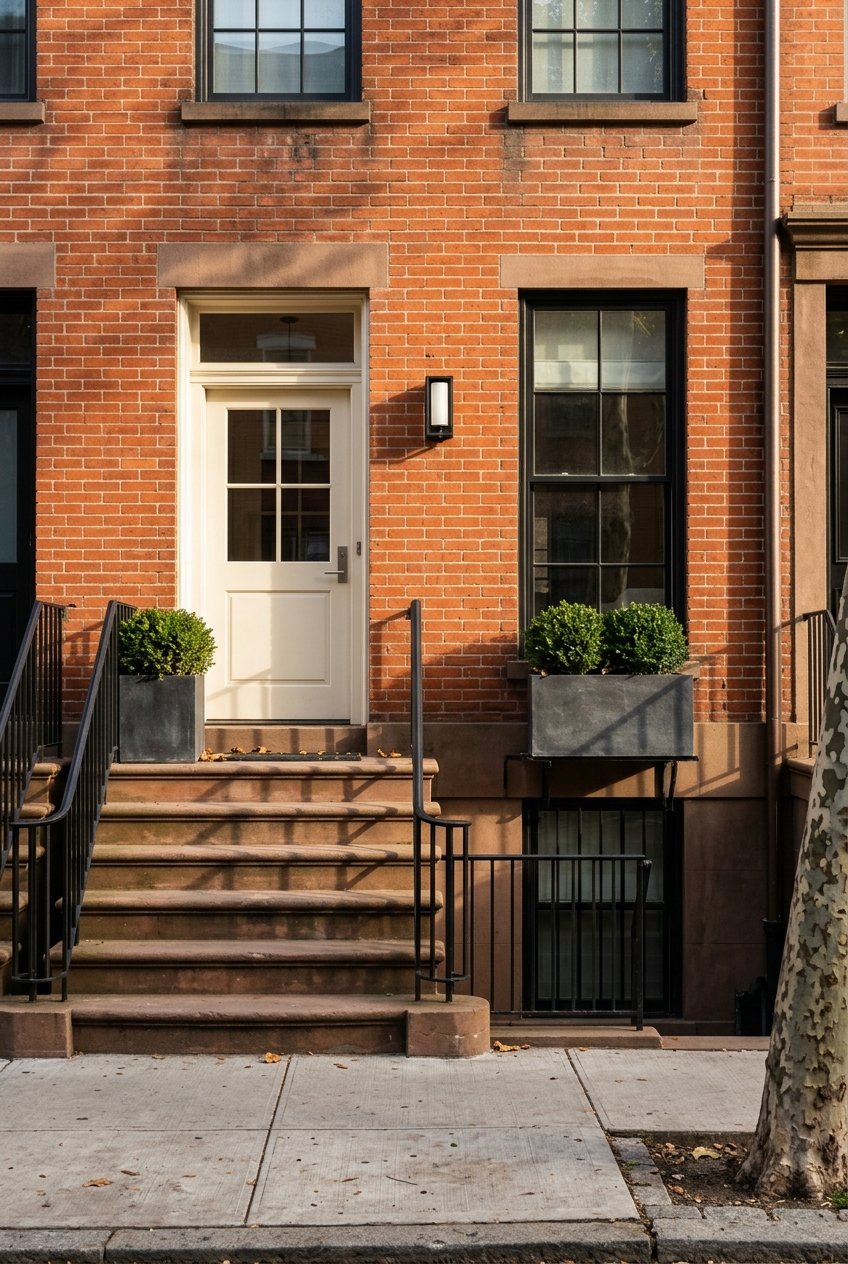
In everyday New York terms, a brownstone is typically a row house faced in brownstone sandstone. As Architectural Digest explains, these homes were often built as coordinated developments, which is why entire blocks can feel visually unified.
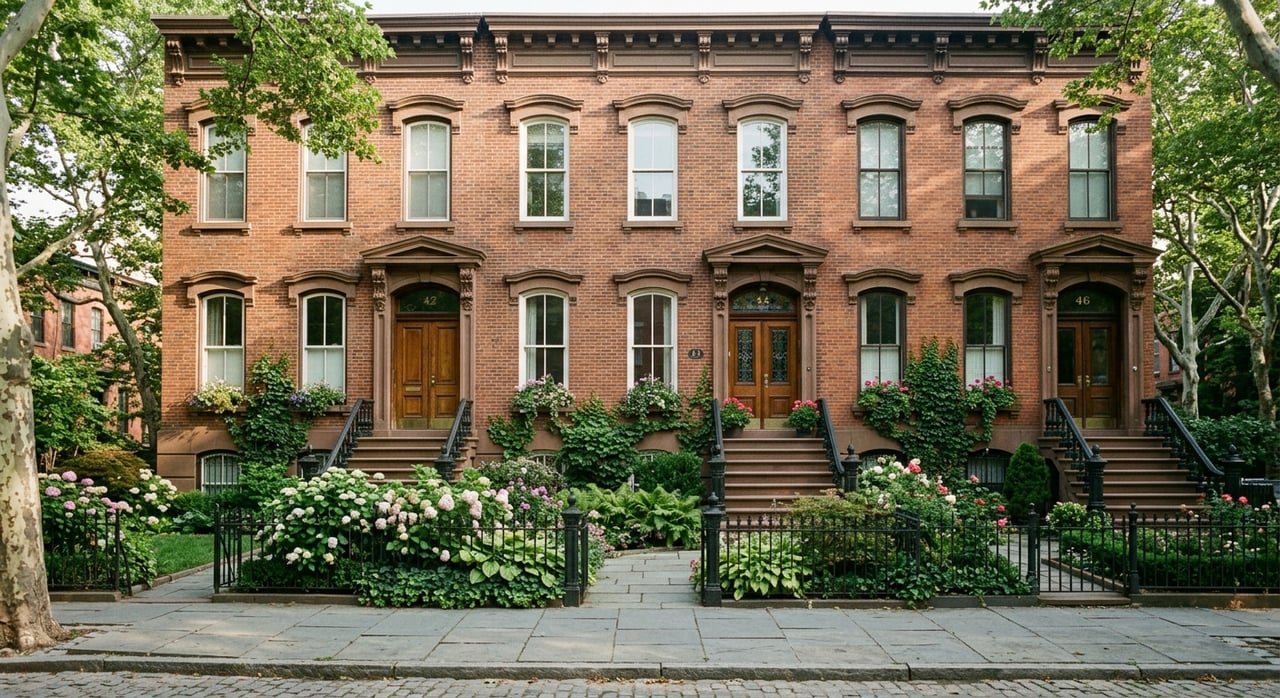
That shared design language is part of the charm. Repeated facades, stoops, and aligned rooflines create a strong sense of rhythm from one house to the next. In Park Slope, that architectural consistency is a big part of what people mean when they talk about the neighborhood’s character.
One of the most important things to understand about brownstone living is that it is a vertical experience. Rather than one broad single-level layout, you are often moving through a stack of spaces with different functions and different moods.
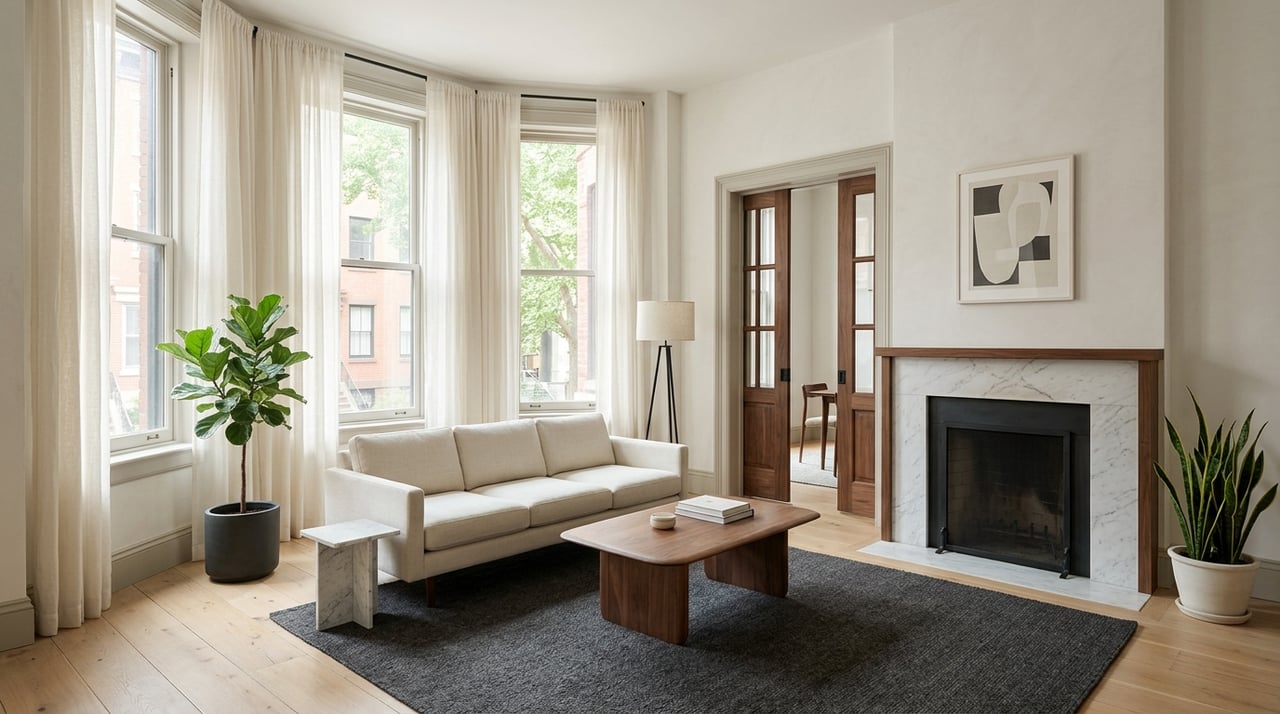
The parlor floor is the main level above street grade, usually reached by the stoop. Apartment Therapy notes that this floor was historically used for entertaining and is often the brightest and most formal level of the home.
For many buyers, this is the floor that delivers the classic brownstone feeling. You enter above the street, light comes in from the front and back, and the rooms often feel made for gathering, relaxing, or hosting.
Below the parlor floor, the garden level often opens toward the rear yard. According to Architectural Digest, renovated homes commonly use this level for a kitchen, den, guest suite, or a secondary living area.
That flexibility is a major part of the appeal. Depending on the home, the garden level may feel casual and practical, making it a natural place for day-to-day living, work-from-home needs, or guest space.
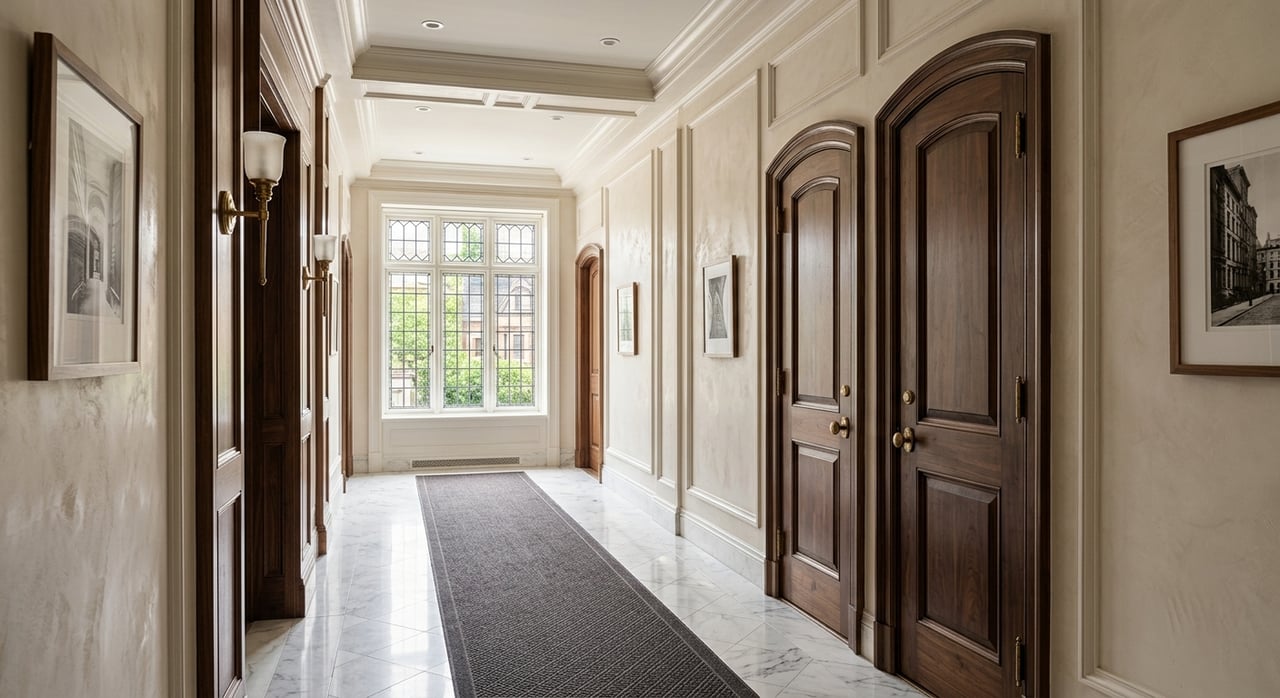
Upper floors are typically where you will find bedrooms, offices, and quieter rooms. This layout creates a natural separation between entertaining space and private space, which many people appreciate in a townhouse-style home.
Because brownstones usually have party walls on either side, light tends to come primarily from the front and back of the house, as Architectural Digest explains. That can shape how each room feels throughout the day.
A basement or cellar often serves practical needs like storage, laundry, mechanicals, or bonus space after renovation. While every property is different, this level can add useful support space that helps the rest of the home function more smoothly.
This is an important point for buyers. A Park Slope brownstone may be configured as a single-family house, but not all are. Apartment Therapy points out that parlor-level homes and apartments are also common in townhouses, row houses, and brownstones that have been divided into multiple units.
In practical terms, that means you may come across several living scenarios in Park Slope, including:
That range gives buyers options. It also means that when you say you want a Park Slope brownstone, it helps to get specific about whether you mean a full house, an owner’s duplex, or an apartment within a townhouse.
A big reason people are drawn to Park Slope brownstone living is that the home and the neighborhood support each other. The architecture is distinctive, but so is the daily routine around it.
Prospect Park is one of the strongest lifestyle anchors in the area. The Prospect Park Alliance says the park spans 585 acres and includes Brooklyn’s only lake, the borough’s last remaining forest, and habitat for more than 250 bird species.
That scale changes how the neighborhood feels. The park supports everyday routines like walks, dog outings, picnics, playground visits, and seasonal events. The Alliance also highlights amenities and activities such as seven playgrounds, the Carousel, birdwatching, and BRIC Celebrate Brooklyn! at the Lena Horne Bandshell, all of which help explain why so much of Park Slope life feels oriented around outdoor time.
Street life in Park Slope is closely tied to Fifth and Seventh Avenues. NYC Planning identifies these as the main commercial corridors, with buildings that typically combine ground-floor businesses and residential apartments above.
For residents, that often means daily convenience is built into the neighborhood pattern. Whether you are heading out for coffee, picking up groceries, or meeting friends nearby, the avenue blocks help create a walkable routine that fits brownstone living well.
Transit is another reason Park Slope works for so many buyers. The MTA Brooklyn neighborhood map shows nearby stations including 4 Av-9 St, 7 Av, 15 St-Prospect Park, Grand Army Plaza, and Prospect Park, with access to combinations of the F/G, B/Q, 2/3, and S lines.
In practical terms, that network can make it easier to build a walk-to-transit lifestyle. If you value neighborhood character but still need straightforward subway access, Park Slope offers a strong combination of both.
Brownstone living in Park Slope tends to appeal to buyers who want more than square footage alone. The draw is often a mix of architecture, layout, and neighborhood rhythm.
Some of the biggest lifestyle advantages include:
Of course, every property is different. Renovation level, unit configuration, and layout can all change how a specific brownstone lives.
If you are considering a brownstone in Park Slope, it helps to look beyond the facade and focus on how the space will support your day-to-day life. Two homes on similar blocks can feel very different depending on configuration, light, and how the lower levels are used.
A few useful questions to ask as you search include:
Those questions can help you narrow the search in a more practical way. In Park Slope, the right fit is often about matching the home’s vertical layout and neighborhood location to how you actually want to live.
Park Slope brownstone living has staying power because it offers a recognizable pattern that still works today. According to landmark and planning materials, the neighborhood’s appeal is rooted in its preserved residential streetscape, while the home layouts themselves continue to offer flexible space across parlor, garden, and upper levels.
Add in Prospect Park, commercial activity on Fifth and Seventh Avenues, and strong transit access, and the appeal becomes easier to understand. You are not just buying into a floor plan. You are buying into a way of living that blends historic architecture with everyday practicality.
If you are exploring Park Slope or comparing brownstones, townhouses, condos, and co-ops across Brooklyn, Josie Hubschman can help you make sense of the options and find the right fit for your goals.
Stay up to date on the latest real estate trends.
Josie is fascinated by the real estate market but understands it can feel intimidating without the right guidance. Her deep market knowledge, passion for helping others, and entrepreneurial background make her an invaluable resource for clients navigating the buying or selling process, Work with Josie today!
Get In Touch With Josie To Learn More