Carroll Gardens Brooklyn Living and Daily Rhythm
May 7, 2026
May 7, 2026
Wondering what it’s actually like to live in Carroll Gardens? If you are comparing Brooklyn neighborhoods, this one often stands out for its historic streets, low-rise feel, and easy everyday rhythm. From housing style to coffee stops, parks, and transit, here’s a practical look at how daily life in Carroll Gardens can feel and who it tends to suit best. Let’s dive in.
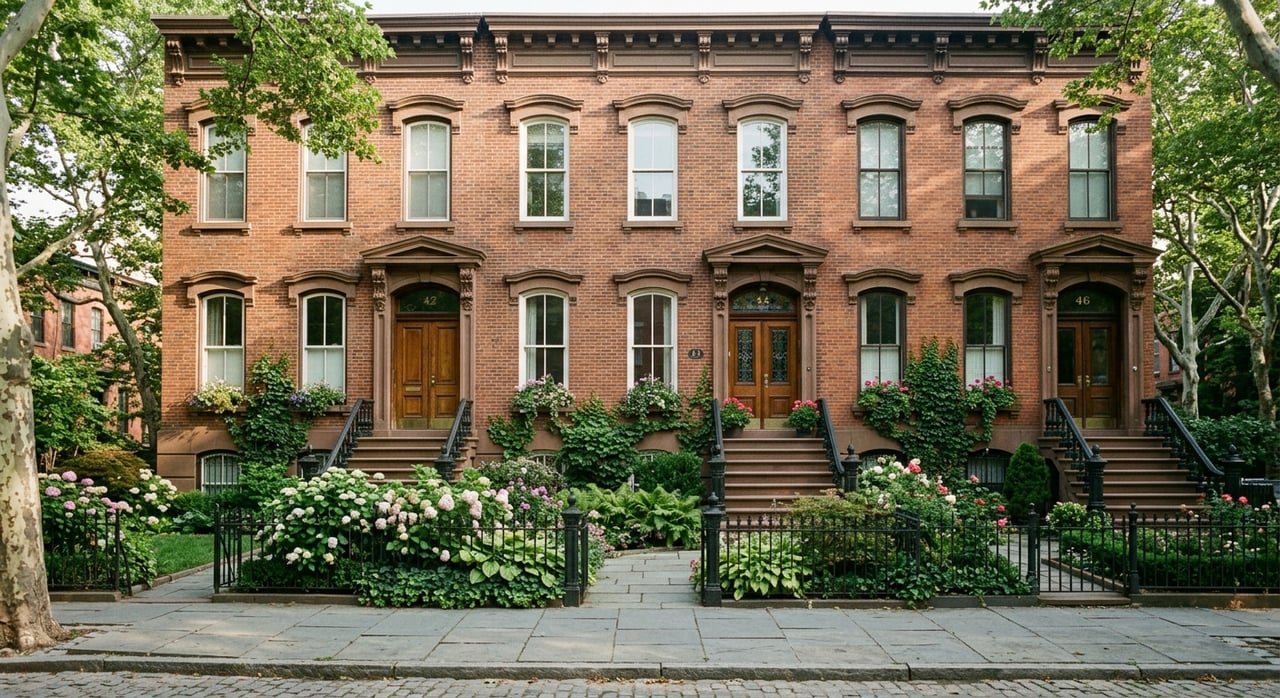
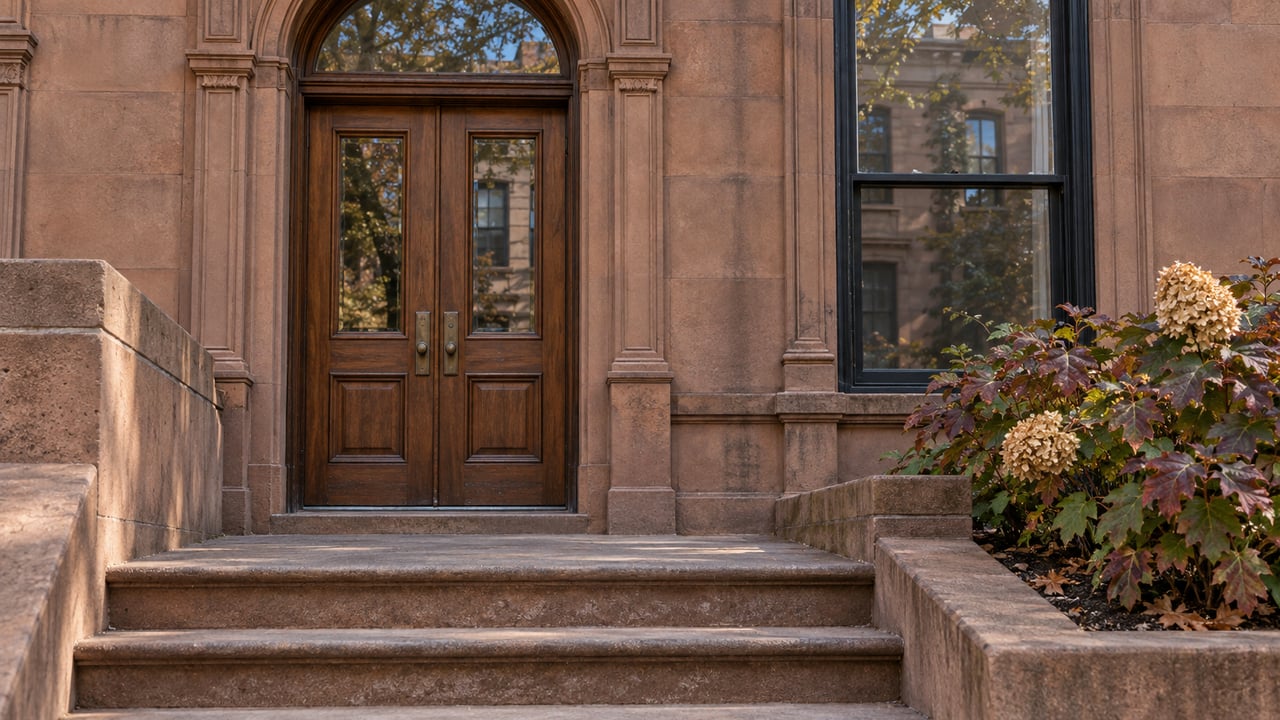
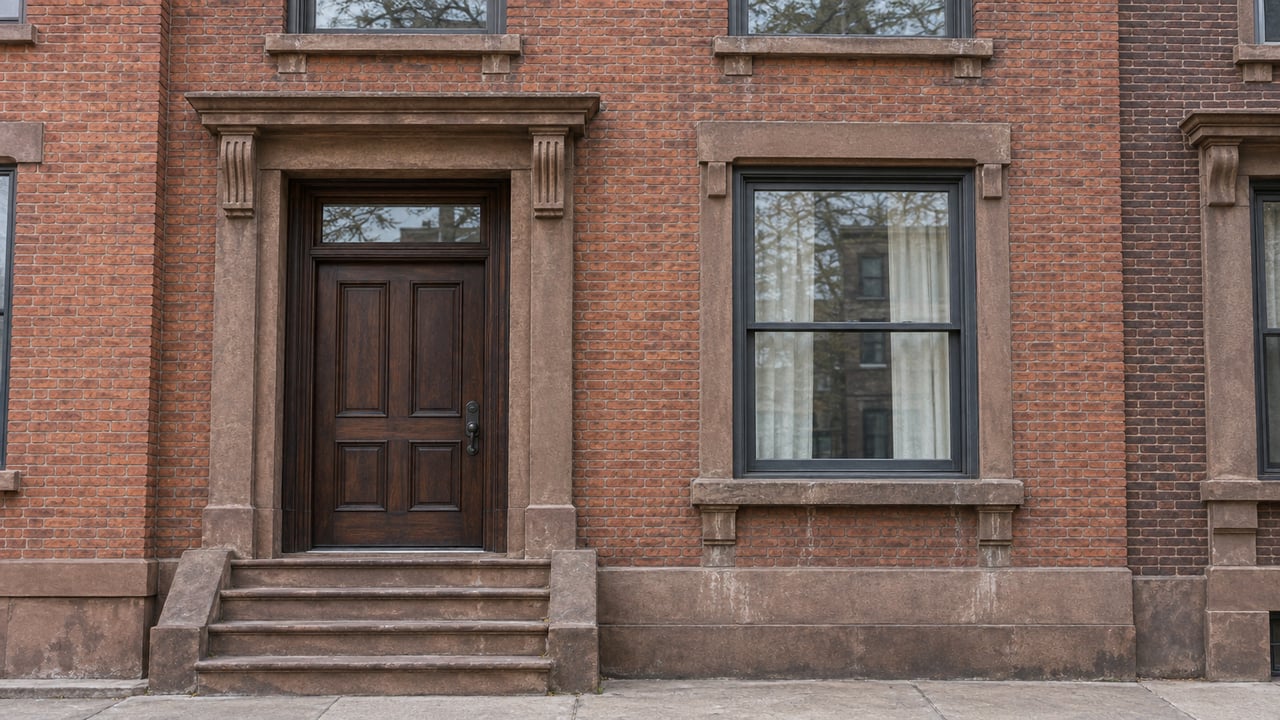
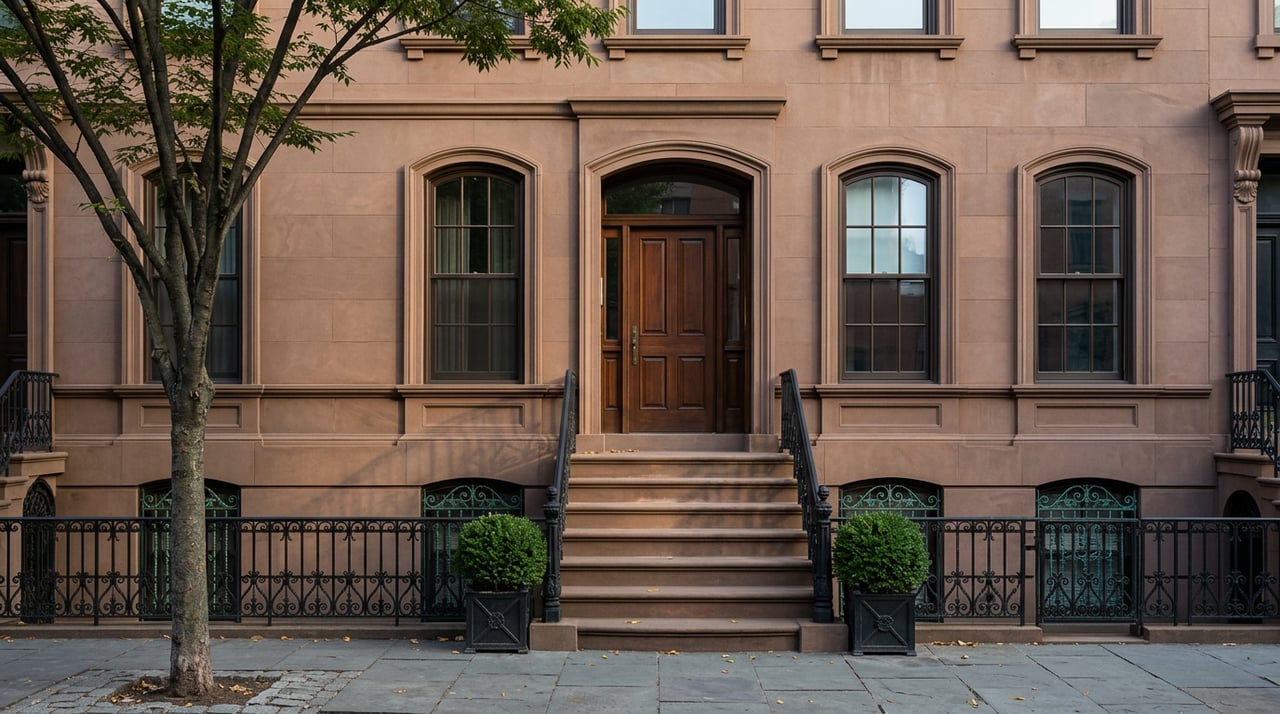
Carroll Gardens has a distinctly neighborhood-scale feel. Official planning documents describe it as predominantly residential, with 3- and 4-story row houses and some 4- and 5-story multifamily apartment buildings rather than high-rise towers.
That low-rise character shapes the experience of walking the area. You get a streetscape defined by historic homes, mixed-use buildings along the main retail corridors, and the deep front gardens and setbacks that make Carroll Gardens instantly recognizable within Brooklyn.
The neighborhood’s historic identity is also formalized. The Carroll Gardens Historic District was designated in 1973, which helps explain why the area feels visually cohesive and architecturally rooted.
Two streets anchor much of everyday life here: Smith Street and Court Street. City Planning identifies both as the neighborhood’s local retail corridors, with commercial and community uses at street level and housing above.
That layout matters because it keeps daily errands and casual outings close at hand. Instead of a sprawling commercial zone, Carroll Gardens offers a more compact setup where many routines happen within a few walkable blocks.
If you like starting your day locally, Smith Street is a natural place to begin. Current examples include Brooklyn Habit at 405 Smith Street, Nili at 360 Smith Street, and Poetica Coffee at 251 Smith Street.
These spots help illustrate the neighborhood’s café culture. Rather than feeling spread out or car-dependent, the area’s coffee and pastry options are concentrated enough to support an easy, on-foot morning routine.
Court Street supports the practical side of neighborhood life. Caputo’s Fine Foods at 460 Court Street has been family owned and operated since 1973 and serves as a boutique Italian grocer and deli.
You also see a mix of independent retail here. Rue Saint Paul at 313 Court Street brings fashion, rentals, and pre-loved items into the mix, while Painted Swan at 407 Court Street reflects the area’s gift and home décor presence.
For a neighborhood of this scale, green space still plays an important role. Carroll Park, located at Smith, Court, and Carroll Streets, is listed by NYC Parks at 1.874 acres.
That makes it a core local open space, especially for nearby residents who want a quick outdoor break without leaving the neighborhood. It supports the feeling that Carroll Gardens is built around day-to-day livability, not just destination appeal.
If you want a bigger outdoor option, Brooklyn Bridge Park adds another layer. With 85 acres of waterfront parkland, promenades, gardens, and city views, it gives residents access to larger-scale recreation beyond Carroll Gardens’ smaller park footprint.
One of Carroll Gardens’ biggest strengths is that it combines a residential pace with useful transit access. City Planning notes that the F and G trains run beneath Smith Street, with the Carroll Street station in the heart of the neighborhood.
The current subway map also shows Carroll St on the F line, while Bergen St and Smith-9 Sts serve the G. For many buyers, that means you can maintain a low-rise, brownstone-neighborhood lifestyle without giving up practical connections across Brooklyn and into Manhattan.
This balance is a big part of the area’s appeal. Carroll Gardens does not read like a dense tower district, but it still works well for people who commute or want flexible access to other parts of the city.
If housing type matters as much to you as location, Carroll Gardens has a clear identity. The neighborhood is centered on row houses, townhouses, and small multifamily buildings.
That creates a very different experience from neighborhoods dominated by newer large-scale development. Buyers who love historic architecture, smaller building scale, and a more intimate streetscape often find that Carroll Gardens offers a strong match.
It also helps narrow your search if you already know what you prefer. If you are hoping for a classic Brooklyn residential setting with character and lower-rise homes, Carroll Gardens aligns well with that goal.
Carroll Gardens tends to fit buyers who care about charm, manageable scale, and convenience in daily life. The neighborhood’s form and amenity mix suggest a strong fit for people who want local shops, cafés, and parks within walking distance.
It can also appeal if you want transit access but do not want your block to feel dominated by large towers or an all-day commercial rush. The area offers a more residential street experience while still keeping city connections close.
For relocating buyers, Carroll Gardens may be especially worth a closer look if you are drawn to:
City Planning also notes a public elementary school, P.S. 58, and a private K-8 school in the area. For some buyers, that adds to the sense of neighborhood infrastructure within an urban setting.
In practical terms, everyday life in Carroll Gardens often feels local and contained in a good way. You might grab coffee on Smith Street, run a few errands on Court Street, stop by Carroll Park, and still handle your commute with nearby subway access.
That rhythm is part of what makes the neighborhood memorable. It supports a lifestyle built on short walks, recognizable storefronts, and residential blocks that feel consistent with the area’s history.
For many people, that is the sweet spot. You get Brooklyn energy and access, but the day-to-day experience remains more grounded and neighborhood-oriented than in busier, more vertical parts of the city.
Choosing a home in Brooklyn is not only about square footage or finishes. It is also about whether the neighborhood supports the pace, setting, and routines you want.
Carroll Gardens offers a very specific version of city living. Its historic low-rise streets, concentrated retail corridors, local park access, and practical transit connections create a lifestyle that feels both connected and calm.
If that balance sounds right for you, understanding the housing options and micro-location differences within the neighborhood becomes the next step. That is where thoughtful, hyperlocal guidance can make your search much clearer.
If you are considering Carroll Gardens or comparing it with other Brooklyn neighborhoods, working with a local expert can help you focus on the right fit for your lifestyle and goals. To start that conversation, connect with Josie Hubschman.
Stay up to date on the latest real estate trends.


Josie is fascinated by the real estate market but understands it can feel intimidating without the right guidance. Her deep market knowledge, passion for helping others, and entrepreneurial background make her an invaluable resource for clients navigating the buying or selling process, Work with Josie today!
Get In Touch With Josie To Learn More