Should You Buy A Two Family In Boerum Hill?
May 28, 2026
May 28, 2026
Wondering whether a two-family in Boerum Hill is a smart buy, or a beautiful headache? In this part of Brooklyn, that question matters more than it might elsewhere because you are often not comparing one apartment to another. You are usually weighing a full townhouse-style property, possible rental income, and the realities of owning an older building in a landmark-rich neighborhood. If you want to understand the upside, the trade-offs, and what to check before you commit, this guide will help you sort it out. Let’s dive in.
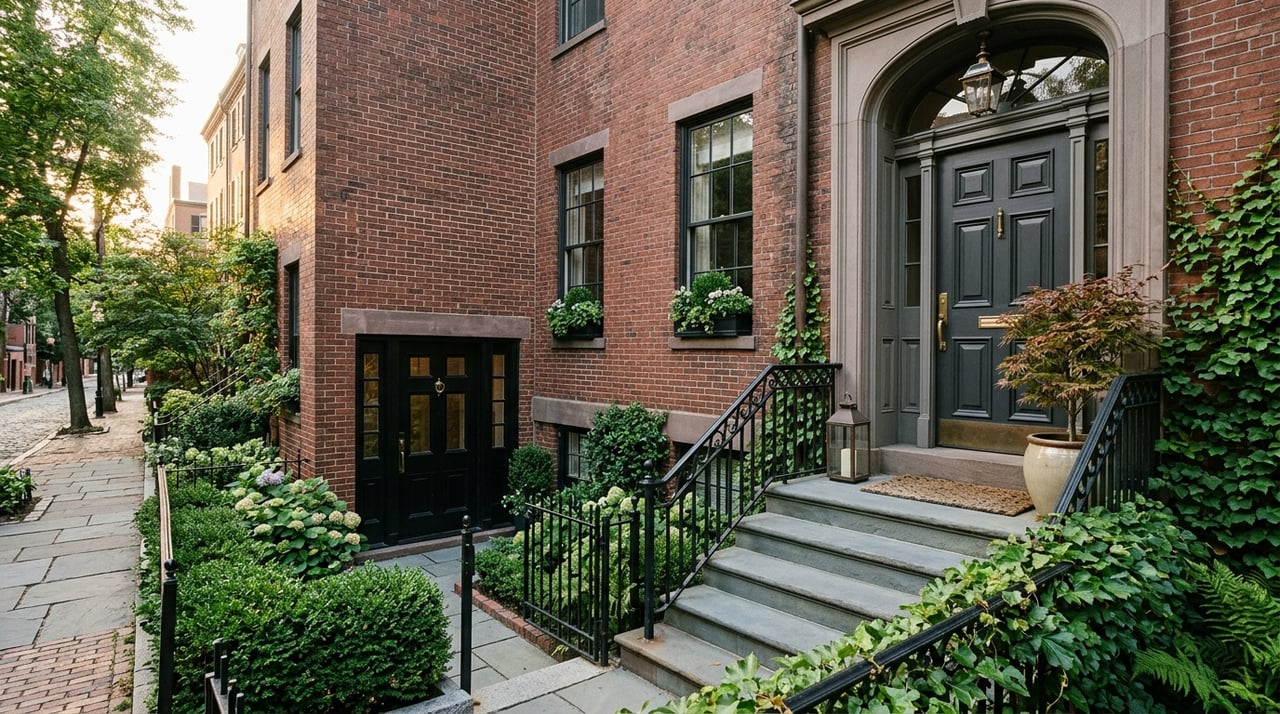
In Boerum Hill, a two-family home is often very different from a condo or co-op. The neighborhood is known for historic rowhouses, brownstones, carriage houses, and row-house-scale residential buildings, many dating back to the 19th century. That means the typical purchase is often a narrow, vertical townhouse with two residential units, not a small apartment building built for investors.
New York City defines a two-family home as a building designed and occupied for long-term residence by no more than two families. In Boerum Hill, that can mean a 2- to 4-story townhouse where you live in one unit and rent the other. For many buyers, that setup is the main reason to consider this property type in the first place.
A two-family in Boerum Hill usually sits in a different price range than an apartment purchase. Current neighborhood examples show co-ops around $895,000, condos from about $1.125 million to $2.7 million, and multifamily homes from roughly $1.895 million to $5.95 million. StreetEasy also shows a neighborhood median sale price of $1.9 million.
That pricing gap is important because it changes the whole conversation. You are not just deciding whether you like more space or a different layout. You are deciding whether you want a higher-cost property with more moving parts and more long-term control.
The biggest draw is simple. If you live in one unit and rent the other, that rent may help support your monthly carrying costs.
With Boerum Hill’s current median base rent at $4,800 per month, one rented unit could bring in about $57,600 in gross annual rent. That sounds powerful, and it can be. But gross rent is not the same as spendable profit once you factor in vacancy, repairs, taxes, insurance, and maintenance.
Lenders also tend to look at rent conservatively. Fannie Mae guidance generally applies a 75% factor to gross rental income from current leases or market-rent forms to account for vacancy and maintenance. So if you are buying partly because of the income story, you need to run the numbers with realistic assumptions.
For some buyers, especially first-time buyers, a two-family may be more attainable than it first appears. HUD states that FHA-insured mortgages can be used for 2- to 4-unit properties, with a minimum required investment of 3.5% in most cases. Fannie Mae and Freddie Mac also allow rental income from non-owner units in a 2- to 4-unit primary residence to be used in qualifying.
That matters because the rent from the other unit may strengthen your application. At the same time, the unit you plan to live in generally cannot be counted as qualifying rental income. In practice, you still need a lender who can clearly explain how your income, reserves, and projected rent fit together.
In New York City, many two-families fall under Class 1 property tax treatment because the Department of Finance includes most residential property of up to three units in that class. The assessment ratio for Class 1 is 6%, and Class 1 assessment increases are capped year to year.
That does not mean your carrying costs will be low. It does mean a Boerum Hill two-family may sit in a different tax framework than a larger rental building. For buyers comparing options, that is a meaningful piece of the puzzle.
Boerum Hill’s historic character is part of its appeal, but it also comes with real ownership consequences. The Landmarks Preservation Commission says most exterior changes to buildings in historic districts require review and a permit. Even work that does not need a Department of Buildings permit may still need LPC approval.
If you are thinking about replacing windows, repairing a façade, rebuilding a stoop, changing a cornice, or adding to the roofline, you need to plan for more than construction costs. You also need to plan for approvals, design review, and time. In a neighborhood with many designated buildings, this is not a side issue.
Much of Boerum Hill’s housing stock is old, and old buildings usually need more attention. A charming brownstone can come with aging systems, deferred repairs, or hidden issues that are much less common in a newer condo.
This is one reason an early, thorough inspection matters so much. The Consumer Financial Protection Bureau recommends scheduling an independent inspection as soon as possible, because major defects can change whether you still want the home. In a two-family, the condition of the building affects both your living experience and your income plan.
If you plan to rent one unit, you are not just a homeowner. You are also taking on landlord responsibilities.
That matters in older New York City housing. HPD says owners of pre-1960 multiple dwellings must follow annual notice and testing requirements related to lead-based paint, and by August 9, 2025, owners must use an EPA-certified inspector or risk assessor to test pre-1960 dwelling units or common areas for lead in paint. In a Boerum Hill townhouse, that is a serious operational issue to understand before you buy.
A condo or co-op often offers a simpler monthly life. A two-family does not. Beyond your own housing costs, you may be dealing with tenant communication, repairs, turnover work, insurance decisions, and periods when the rental unit is vacant.
That does not make a two-family a bad idea. It just means you should want the extra complexity, or at least feel comfortable managing it. The income opportunity is real, but so is the workload.
A Boerum Hill two-family often makes the most sense if you want long-term control and can comfortably handle a more hands-on property. It can also be a strong fit if you like the idea of living in a townhouse while using one unit to help support your monthly costs.
This type of purchase may be especially appealing if you are comparing it with a condo or co-op and feel limited by space, house rules, or long-term flexibility. For some buyers, the chance to own the full building is worth the extra responsibility.
If your main goal is simplicity, a two-family may not be the best match. A condo or co-op may be easier to manage if you want fewer maintenance decisions, less building oversight, and no tenant responsibilities.
This can be especially true if your schedule is already packed or if you are stretching financially just to make the purchase happen. In that case, the pressure of repairs, vacancies, and compliance work can make ownership feel heavier than expected.
Before you rely on any rental plan, verify the legal unit count and the Certificate of Occupancy. The Department of Buildings says a Certificate of Occupancy states the legal use and permitted occupancy of a building, and that no one may legally occupy a building until the city has issued a CO or TCO.
This step matters more than many buyers realize. If the layout on paper does not match the layout in real life, your financing, renovation plan, or rental assumptions could change quickly.
Check for open DOB and HPD violations early. DOB says open violations are public, can prevent selling or refinancing, and must be corrected before a new or amended Certificate of Occupancy can be issued. HPD also says open violations remain active on its records.
This is one of the clearest ways to spot risk before closing. A beautiful townhouse can still carry unresolved issues that become your problem after the sale.
Make sure you know whether the home is landmarked or located within the historic district. If you are planning exterior work, budget time for LPC review from day one.
This can affect both cost and timing. If your plan depends on quick exterior upgrades, you want clarity before you move forward.
An inspection is not just a formality on a two-family purchase. It is one of your best tools for understanding roof condition, systems, water issues, structural concerns, and the likely repair schedule.
If possible, keep an inspection contingency. A strong contract is important, but so is protecting yourself from surprises that could materially change the value of the purchase.
If you plan to use rental income to qualify, expect your lender to ask for supporting documents such as leases, tax returns, and market-rent information. Also expect an underwriting haircut rather than full credit for projected rent.
That means you should build your plan around conservative numbers. If the purchase only works on paper with perfect rent assumptions, it may not be the right property.
Title review matters on any purchase, but it deserves extra attention on an older multifamily property. The CFPB says lender’s title insurance is usually required, while owner’s title insurance is optional and may help protect your equity against certain pre-existing claims.
On a townhouse with a long ownership history, this is worth discussing carefully with your attorney and title company. It is one more way to reduce avoidable risk.
Maybe, but only if you are buying it for the right reasons. A Boerum Hill two-family can be compelling if you want townhouse living, long-term flexibility, and rental income that may help offset costs. It can also offer a path to ownership that feels more strategic than buying a single apartment, especially if you plan to stay for the long run.
At the same time, this is rarely the simple option. Landmark rules, older-building repairs, rental compliance, and day-to-day management all require time, money, and patience. If that trade feels worthwhile to you, a two-family can be a smart and rewarding buy. If not, a condo or co-op may be the better fit.
If you are weighing a townhouse, condo, co-op, or multifamily purchase in Boerum Hill or nearby Brooklyn neighborhoods, working with someone who understands the details can make the decision much clearer. To talk through your options, connect with Josie Hubschman.
Stay up to date on the latest real estate trends.





Josie is fascinated by the real estate market but understands it can feel intimidating without the right guidance. Her deep market knowledge, passion for helping others, and entrepreneurial background make her an invaluable resource for clients navigating the buying or selling process, Work with Josie today!
Get In Touch With Josie To Learn More