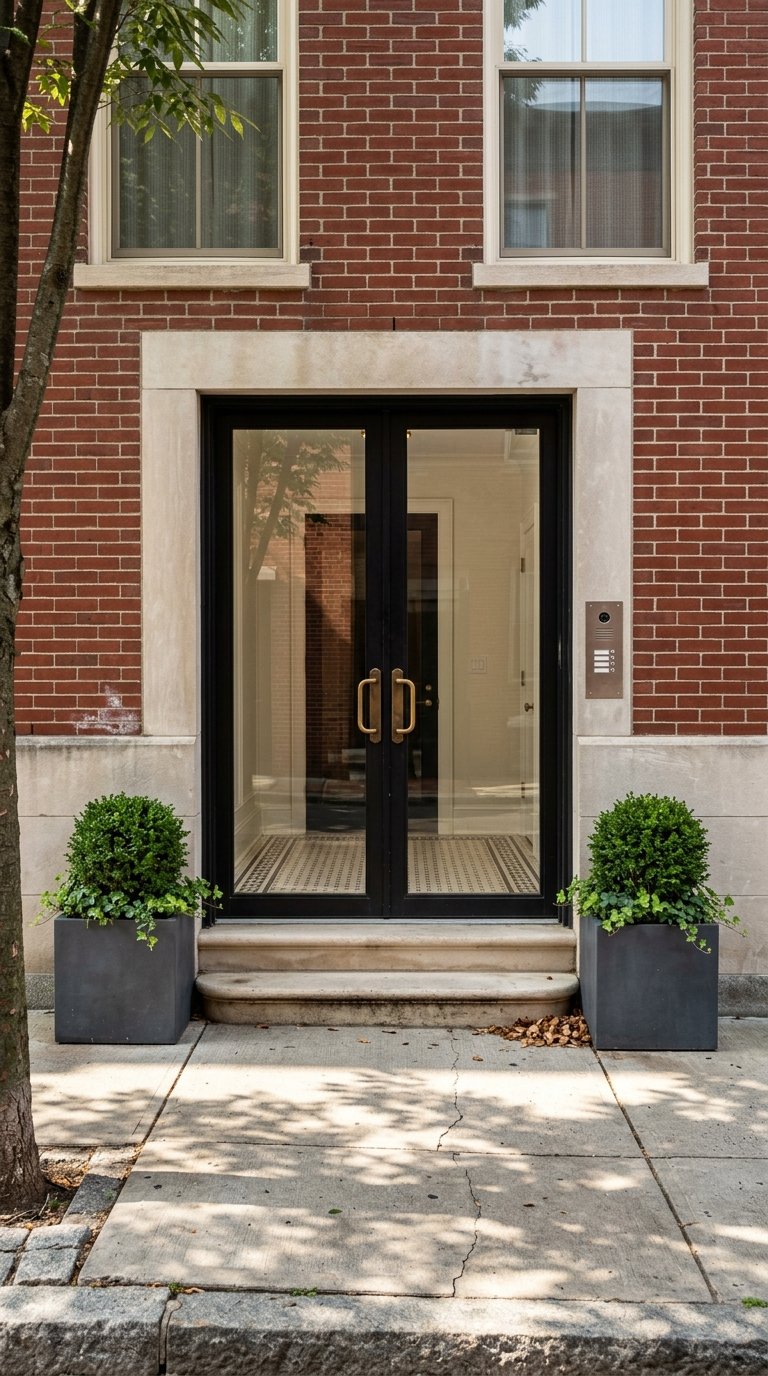
Buying Your First Home In Prospect Heights
May 14, 2026
May 14, 2026
Buying your first home in Prospect Heights can feel exciting and intimidating at the same time. You may love the neighborhood’s brownstone blocks, park access, and cultural landmarks, but the price tags, co-op rules, and closing costs can raise real questions fast. The good news is that with the right plan, Prospect Heights can become much easier to understand. Here’s what to know before you start your search.
Prospect Heights has a distinct Brooklyn identity that many first-time buyers find compelling. It sits near Prospect Park, the Brooklyn Museum, and the Brooklyn Botanic Garden, which gives the neighborhood a strong daily rhythm centered around green space and culture.
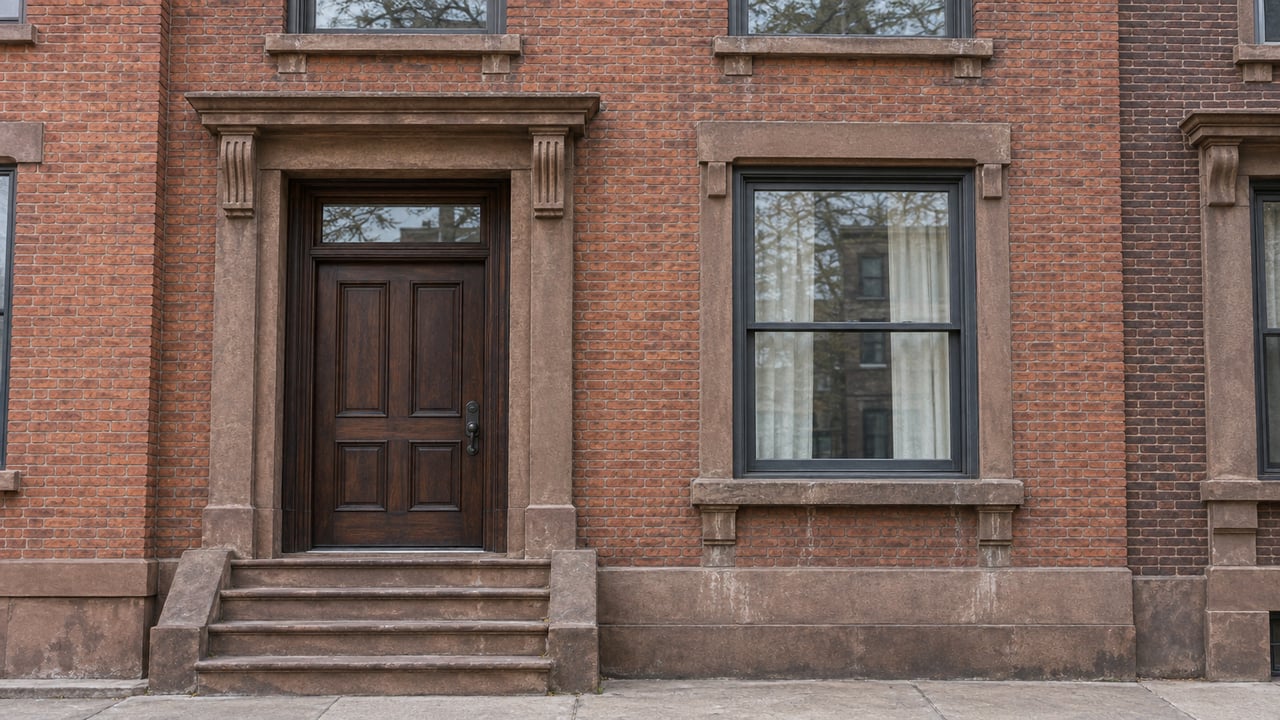
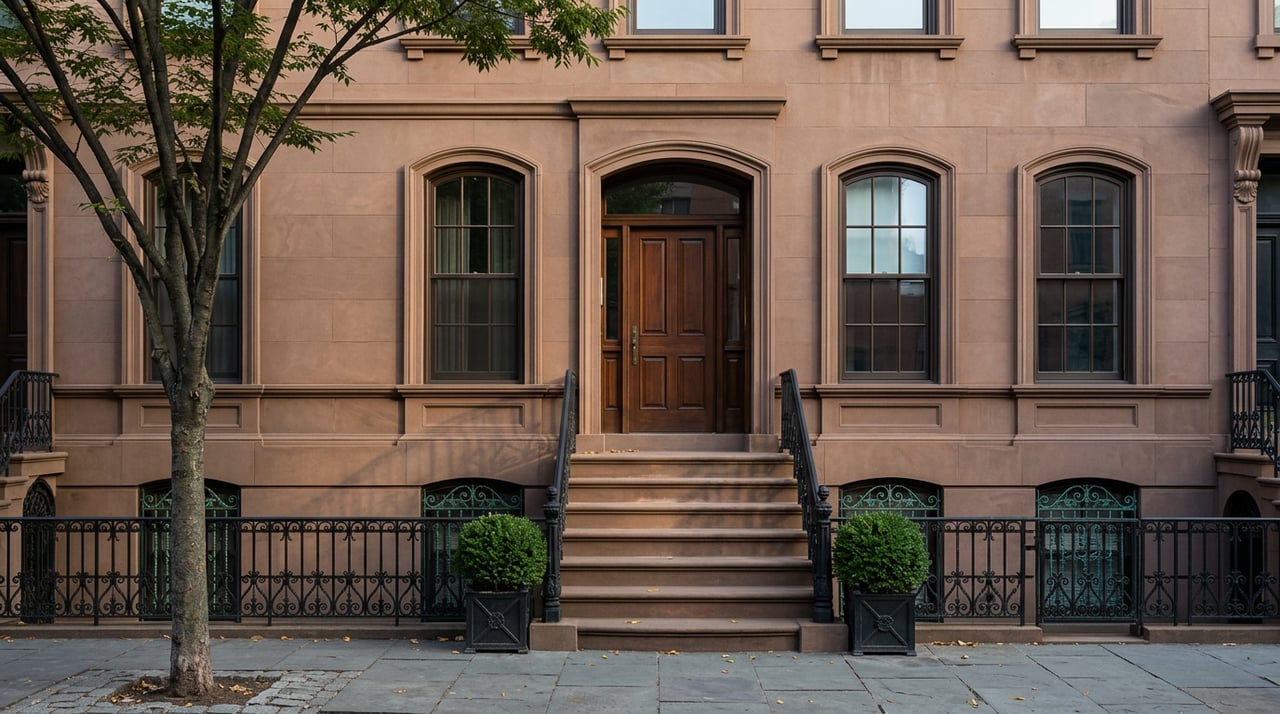
The area also has a clear physical character. The historic district includes about 850 buildings, with many older row houses and apartment buildings that help create the neighborhood’s cohesive, tree-lined feel.
In practical terms, you get a mix of lively avenues and quieter side streets. Vanderbilt and Washington Avenues serve as key commercial corridors, while many interior blocks feel more residential.
If you are shopping in Prospect Heights, you are not looking at one single housing type. The neighborhood includes pre-war row houses, walk-up apartment buildings, co-ops, and newer condos along larger corridors.
That variety is part of the appeal, but it also means you need to compare options carefully. A newer condo may offer a simpler ownership structure, while a co-op or older building may offer a different price point or a more classic Brooklyn feel.
Architecturally, Prospect Heights stands out from many newer parts of Brooklyn. The area includes Italianate, neo-Grec, Romanesque Revival, Renaissance Revival, and early 20th-century buildings, which can make your search feel rich in character but also more nuanced building by building.
Not every part of Prospect Heights lives the same way. Interior streets often feel quieter and more residential, while larger avenues like Vanderbilt and Flatbush carry more traffic and more ground-floor retail.
For a first-time buyer, that difference matters more than you might expect. A home that looks perfect on paper may feel very different depending on whether you want a calmer block, easier access to restaurants and shops, or a faster commute route.
Prospect Heights often lands in a middle ground compared with nearby Brooklyn neighborhoods. StreetEasy currently shows a median sale price of about $1.3 million here, compared with about $1.7 million in Park Slope and Fort Greene and about $1.2 million in Crown Heights.
That does not make Prospect Heights inexpensive, but it does help frame the market. If you are choosing between nearby neighborhoods, Prospect Heights may offer a balance between location, neighborhood character, and pricing.
Rent also gives useful context for buyers deciding whether to keep renting or make a move. StreetEasy shows a median base rent of about $4,300 in Prospect Heights, which can help you think through your monthly budget and long-term goals.
In NYC, your down payment is only part of the story. If you use the neighborhood’s median sale price of $1.3 million as a rough planning number, a 3 percent down payment would be about $39,000, 10 percent would be about $130,000, and 20 percent would be about $260,000.
Some loans allow down payments as low as 3 percent. But if you put down less than 20 percent, you will usually pay mortgage insurance, which increases your overall borrowing cost.
Closing costs also deserve real attention. A common planning range is about 2 percent to 5 percent of the purchase price, which would add roughly $26,000 to $65,000 on a $1.3 million purchase before move-in expenses or any building-related fees.
New York City buyers should also budget for local tax and filing items. The Department of Finance says mortgage recording tax applies when a mortgage is recorded in the city.
The city’s residential real property transfer tax is 1 percent up to $500,000 and 1.425 percent above that. These costs are part of why conservative budgeting matters, especially if you are also considering monthly carrying costs, assessments, or building fees.
If you qualify, NYC HomeFirst may help make your purchase more achievable. The program offers up to $100,000 toward down payment or closing costs for a 1 to 4 family home, condo, or co-op in the five boroughs.
There are important requirements. You must be a first-time homebuyer, complete HPD-approved counseling, and contribute at least 3 percent of the purchase price from your own funds.
For many buyers, this kind of support can change the conversation from “maybe later” to “possibly now.” It is worth checking early whether you may qualify, because assistance programs can shape your budget and home search strategy.
One of the biggest NYC learning curves is understanding the difference between a co-op and a condo. In a condo, you own the individual unit. In a co-op, you own shares in a corporation that owns the building.
That ownership difference affects the buying process. Condos often feel more straightforward, while co-ops usually involve more documents, more review, and a board approval process.
This does not mean one option is always better. It means you should match the building type to your comfort level, budget, and timeline.
If you are considering a co-op, plan for extra calendar time. Co-op transactions often involve a more detailed application package and board review, so your closing may not move as quickly as a simpler condo deal.
A recent NYC local law sets formal acknowledgment and decision deadlines for co-op board approval packages, which reinforces the point that timing matters. Even with clearer deadlines, first-time buyers should still build in more flexibility when planning a co-op purchase.
In a neighborhood with older housing stock and a mix of building types, due diligence is essential. You are not just buying an apartment. You are also buying into a building, its finances, its rules, and its long-term condition.
A strong first-time buyer checklist should include:
The Department of Buildings strongly recommends closing on a final Certificate of Occupancy rather than a temporary one. An expired temporary certificate can create future issues with insurance, refinancing, or resale.
When you start your search, it helps to define your non-negotiables early. In Prospect Heights, that may include your preferred block type, ownership type, maximum monthly payment, or how close you want to be to Prospect Park or the neighborhood’s main commercial corridors.
It also helps to stay realistic about trade-offs. You may need to choose between a quieter location and a larger apartment, or between a newer condo and a lower-cost co-op.
For many first-time buyers, the best strategy is not trying to find a perfect home. It is finding the right fit for this stage of your life, while keeping future resale, monthly costs, and building quality in view.
If you are thinking about buying your first home in Prospect Heights, having a calm, informed guide can make the process much more manageable. For tailored advice on neighborhoods, co-ops, condos, and the NYC buying process, connect with Josie Hubschman.
Stay up to date on the latest real estate trends.


Josie is fascinated by the real estate market but understands it can feel intimidating without the right guidance. Her deep market knowledge, passion for helping others, and entrepreneurial background make her an invaluable resource for clients navigating the buying or selling process, Work with Josie today!
Get In Touch With Josie To Learn More