
Park Slope Selling Timing for Brownstones and Condos
June 18, 2026
June 18, 2026
If you are thinking about selling in Park Slope, timing can feel like the biggest question of all. You want to catch strong buyer demand, avoid unnecessary days on market, and make sure your home shows at its best. The good news is that local data offers a useful roadmap, especially when you pair it with your property type, your goals, and your timeline. Let’s dive in.
Park Slope is not a one-size-fits-all market. Recent snapshots show it remains one of Brooklyn’s higher-priced neighborhoods, with median sale prices ranging from about $1.861 million to $1.9 million depending on the source and reporting window. That premium means buyers tend to pay close attention to value, presentation, and how your home compares with nearby options.
Timing matters because inventory and buyer activity do not stay constant all year. In New York City, listing seasonality tends to favor late winter and spring, with March standing out as a particularly strong month for sellers. In a neighborhood like Park Slope, where architecture, block appeal, and property condition can strongly influence interest, the right launch window can help your home gain momentum faster.
For most Park Slope sellers, the strongest window is late winter through spring. StreetEasy’s 2026 seller timing analysis found that the first week of March was the best week for NYC sellers, with listings reaching contract 16 days earlier than comparable homes. It also found that March listings had a 4.1% higher probability of selling above ask.
Late April also stands out. According to the same analysis, the last week of April had the strongest above-ask probability at 4.9%. That makes the broad spring market a smart target if your main goal is maximum exposure and strong pricing.
Spring tends to bring together several helpful market forces at once. Buyers are more active, inventory builds, and longer daylight hours make showings, photography, and open houses easier. In brownstone-heavy neighborhoods like Park Slope, better weather can also improve curb appeal, stoop presentation, and backyard or garden visibility.
StreetEasy also notes that families often want to move before the school year begins, and that annual bonus timing can support spring demand. For many sellers, this creates a practical sweet spot where motivated buyers are out in force and homes are easier to show well.
Park Slope remains a high-value submarket within Brooklyn. Redfin’s rolling three-month snapshot ending May 2026 showed a median sale price of $1.861 million, 47 days on market, and 78 homes sold. Realtor.com’s current neighborhood snapshot showed 194 homes for sale, a median listing price of $1.52 million, and a 100% sales-to-list-price ratio.
PropertyShark’s April 2026 report showed a median sale price of $1.9 million in Park Slope, compared with $850,000 for Brooklyn overall. That gap is important because it shows how much buyers expect careful pricing and polished presentation in this neighborhood. In other words, waiting for a perfect moment usually matters less than coming to market truly ready.
Brownstones and condos often follow the same broad seasonal pattern, but they do not behave exactly the same way. In April 2026, PropertyShark reported 21 condo sales in Park Slope, 8 co-op sales, and only 4 house sales. That smaller house sample means brownstone pricing is often more individualized, while condos usually have more recent comparables to support pricing.
If you are selling a condo, spring is often the cleanest listing window. Because there are usually more condo transactions, buyers and agents can compare your unit more directly against recent sales and current competition. That can make market timing, pricing precision, and launch strategy especially important.
For condos, a March or April launch can help you meet active demand when inventory is building and buyers are paying close attention. Since May often brings the most inventory for NYC buyers, listing before or during that rise can help you enter the market while attention is still strong.
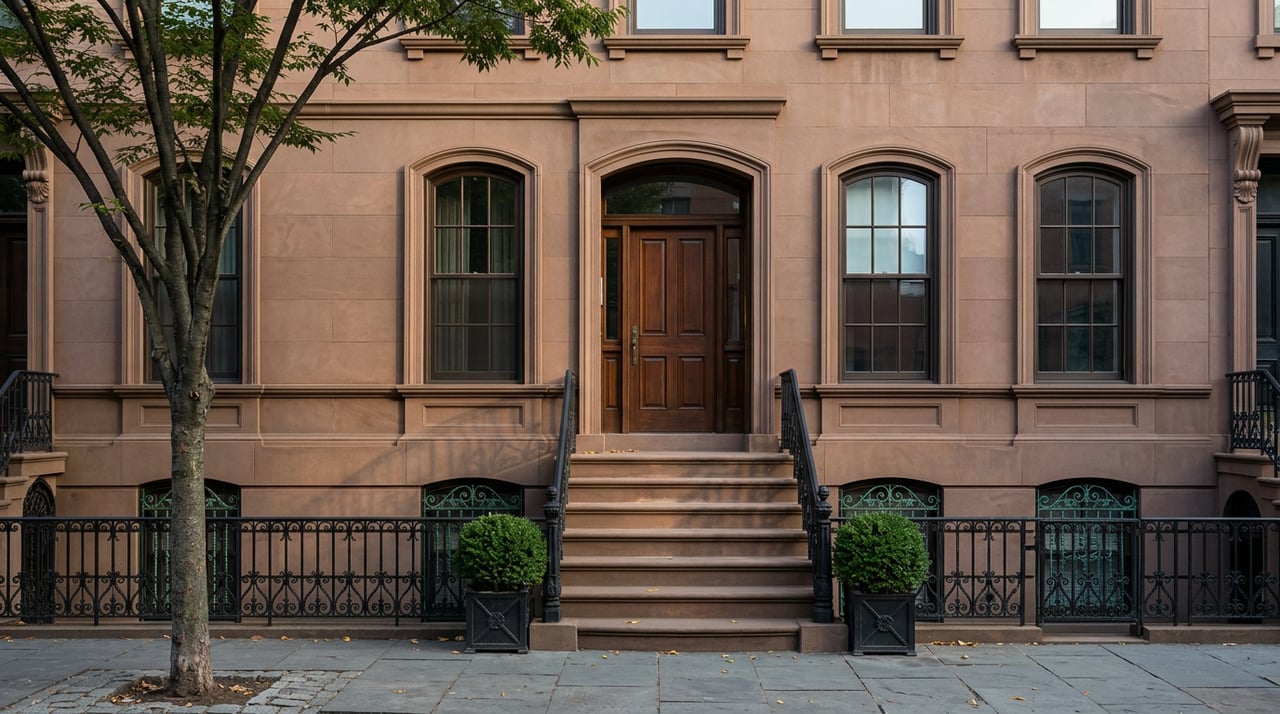
If you are selling a brownstone, spring still matters, but preparation matters even more. Park Slope’s housing identity is closely tied to historic brownstones and townhouses, and buyers often respond to details that are harder to capture in a spreadsheet. Your block, façade, stoop, light, ceiling height, original details, layout, and condition can all shape value.
Warmer weather can give you a real advantage here. Exterior touch-ups, landscaping, window light, and photography usually come together more easily in late winter and spring than in darker, colder months. For many brownstone owners, that makes the best listing date the one that follows a thoughtful prep period, not just the earliest possible week on the calendar.
If your schedule is flexible, it may help to avoid some of the softer seasonal windows. StreetEasy found that homes listed after Labor Day sat 14 days longer than comparable listings. It also identified the second-to-last week of December as the weakest time to list.
That does not mean fall or winter listings cannot succeed. It simply means you may need a sharper pricing strategy and a stronger readiness plan if you launch outside the spring peak. In NYC, market conditions can shift, so the best move is often to balance seasonality with your own deadline.
The best listing date is not always the statistically strongest week. If you want to be in your next home by a certain time, especially before the school year starts, you should work backward from your ideal closing and move dates. That approach is often more helpful than focusing only on broad market averages.
The 2026 to 2027 NYC Public Schools calendar starts on September 10, 2026, and StreetEasy notes that many families aim to move before school begins. If that timing matters to your household, your listing plan should allow enough time for preparation, launch, negotiations, contract, closing, and the move itself.
Here is a practical way to think about it:
It is easy to get stuck trying to predict the perfect week to list. In reality, Park Slope sellers often benefit more from strong preparation than from trying to outguess the market. A well-presented home that launches with a smart price and clear strategy is usually in a stronger position than a rushed listing timed for a theoretically ideal week.
This is especially true in a neighborhood where homes can vary so widely. StreetEasy describes Park Slope as historic and brownstone-heavy, and notes that brownstones can command $3 million or more. At the upper end of the market, buyers tend to be discerning, so details like condition, staging, photos, and pricing discipline can shape the outcome as much as timing itself.
If you are considering a sale in the next few months, start by identifying your real goal. Do you want the broadest buyer pool, the smoothest family move, or the least disruption to your work schedule? Once that is clear, it becomes much easier to decide whether to target spring or move ahead in another season.
Then look at readiness. In Park Slope, buyers respond to homes that feel well cared for, well priced, and thoughtfully brought to market. Whether you are selling a condo or a brownstone, a plan that combines timing, presentation, and realistic pricing will usually serve you better than waiting for a perfect forecast.
If you are thinking about when to list your Park Slope home, working with a local agent who understands both neighborhood seasonality and property-specific strategy can make the process much clearer. Josie Hubschman brings a thoughtful, organized approach to Brooklyn sales and can help you map out the right timing for your goals.
Stay up to date on the latest real estate trends.





Josie is fascinated by the real estate market but understands it can feel intimidating without the right guidance. Her deep market knowledge, passion for helping others, and entrepreneurial background make her an invaluable resource for clients navigating the buying or selling process, Work with Josie today!
Get In Touch With Josie To Learn More