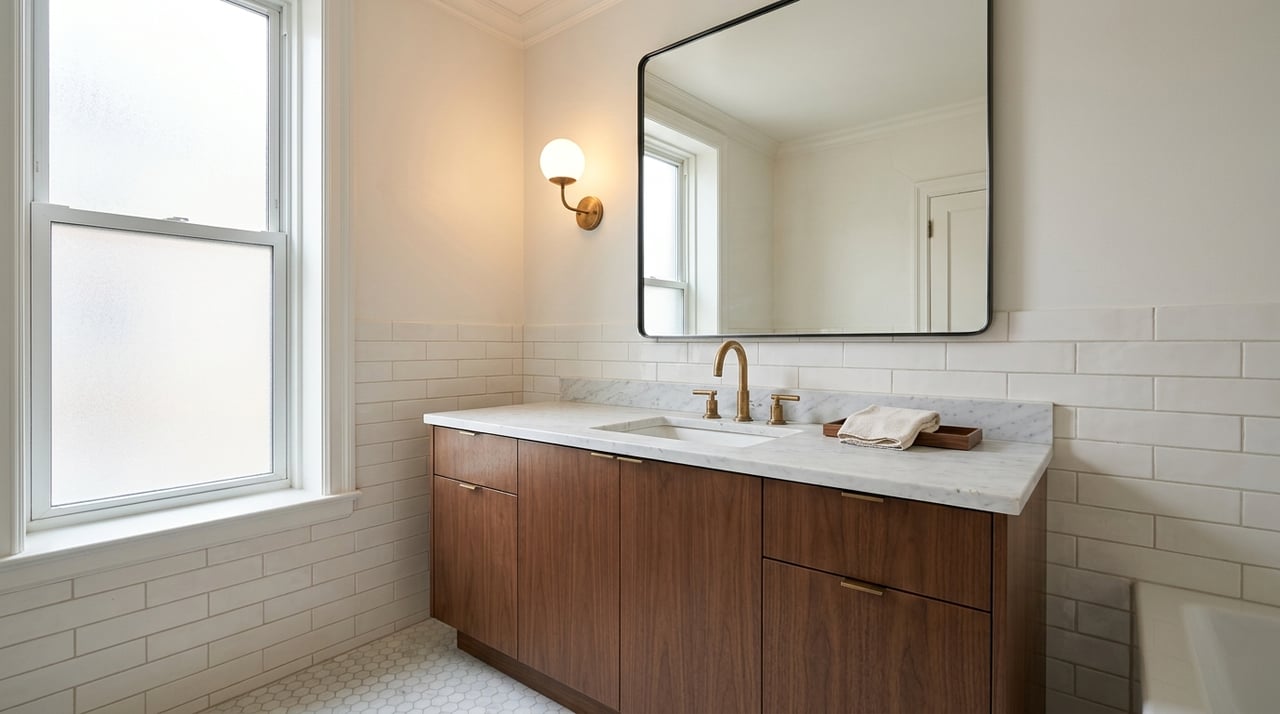
Preparing To Sell A Home On The Upper East Side
June 25, 2026
June 25, 2026
Selling on the Upper East Side can feel deceptively simple. It is one of Manhattan’s most established markets, but current numbers show that buyers still have room to negotiate, which means the details of your prep matter. If you want to protect your price, reduce surprises, and make your home stand out, a thoughtful plan can make a real difference. Let’s dive in.
The Upper East Side remains a premium Manhattan market, but it is not a market where sellers can rely on location alone. Realtor.com reported a March 2026 median listing price of $1.695 million, with a median 63 days on market and homes selling for 1.66% below asking on average. StreetEasy also reported a 58-day median days on market and a median sale price of $1.2 million.
Those numbers point to a clear takeaway: pricing and presentation need to work together. If your home is overpriced or not ready for photos and showings, buyers may move on quickly. In a neighborhood with a wide range of building types, condition and positioning have a big effect on demand.
Micro-location matters too. StreetEasy notes that prices tend to moderate farther from Central Park, especially for co-ops and rentals. On the Upper East Side, that means your exact block, building type, and apartment condition can shape buyer interest more than broad neighborhood averages.
If you own a co-op, your prep goes beyond cleaning and repairs. In New York, a co-op owner is a shareholder and tenant, and the board operates under the building’s by-laws and proprietary lease. That setup affects what buyers review and how the sale moves forward.
For resale prep, it helps to gather documents early. Useful materials often include the offering plan and amendments, by-laws, proprietary lease, house rules, and annual financial statements. Buyers may also review financial reports and board minutes, so getting organized early can save time once your home hits the market.
If you own a condo, you own real property and pay individual taxes along with common charges. While condos are often more straightforward than co-ops from a board perspective, buyers still look closely at building documents, financials, and the apartment’s condition.
The New York State Attorney General notes that the standard New York residential disclosure form generally does not apply to condo units or co-op apartments. In practice, that means contract riders and building documentation carry more weight. A complete paper trail can help your sale feel smoother and more credible to a serious buyer.
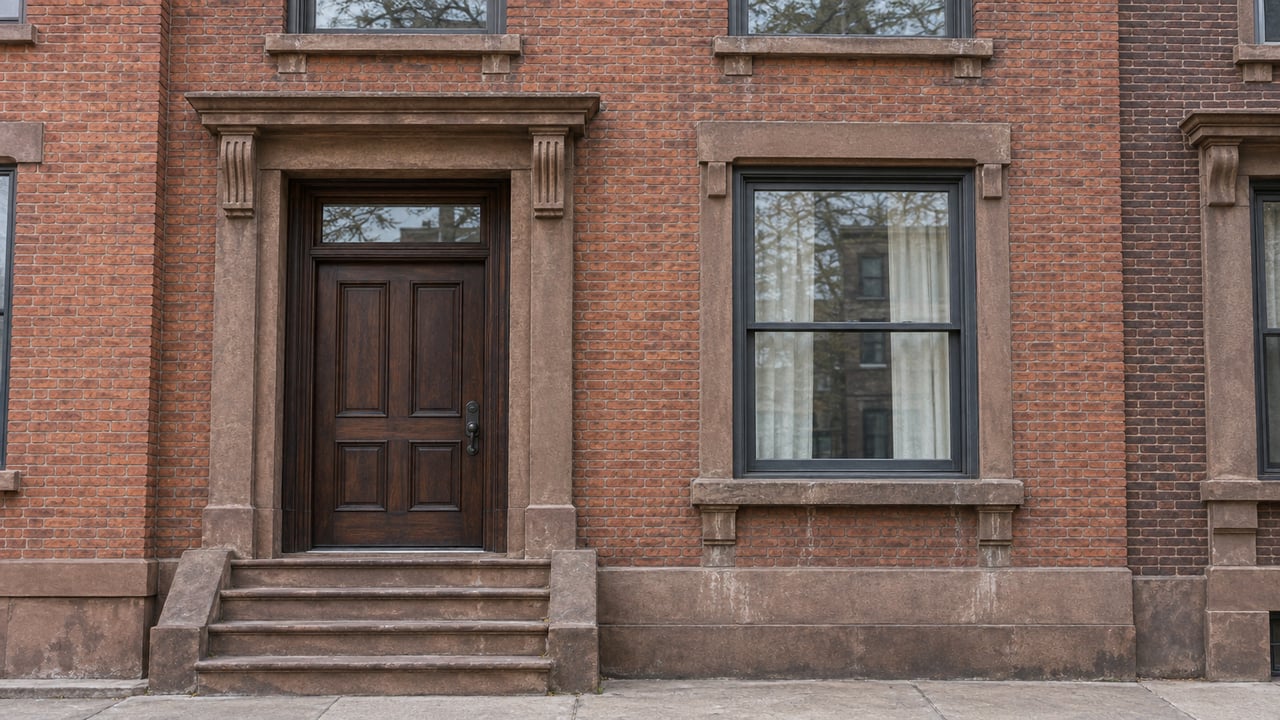
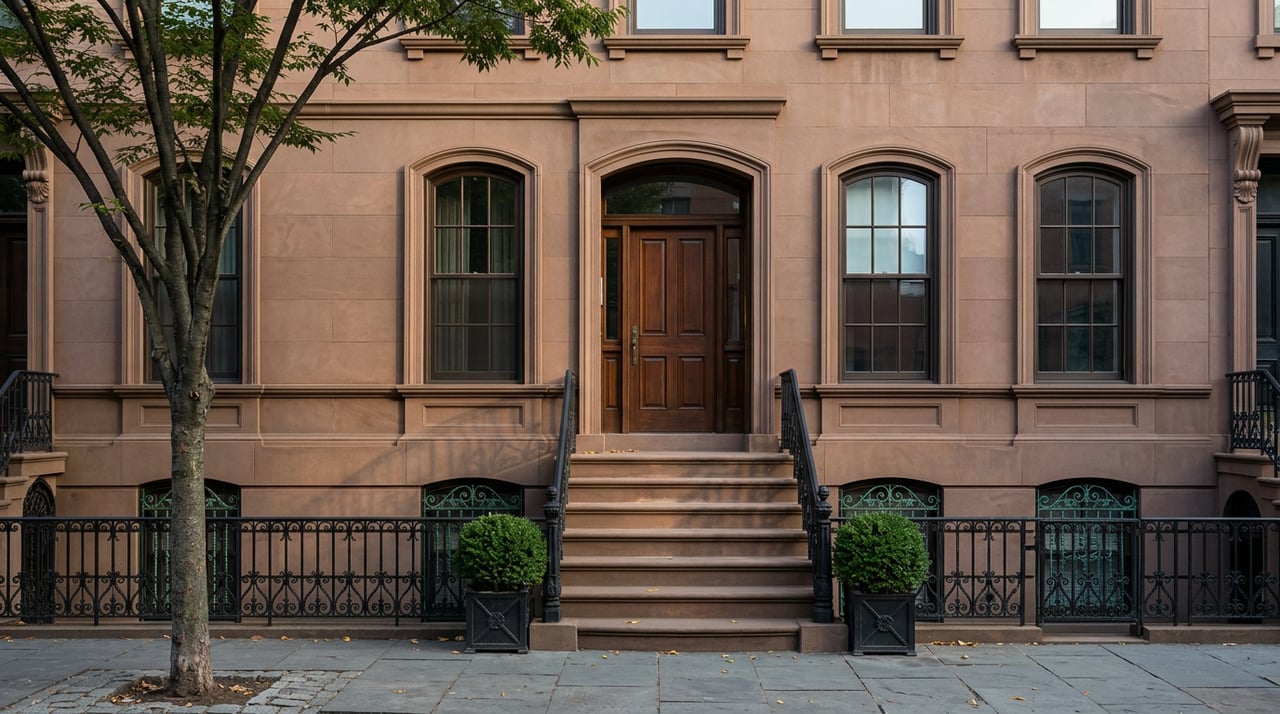
If you are selling a townhouse, exterior condition and permitting can become a bigger part of buyer due diligence. Parts of the Upper East Side fall within the Upper East Side Historic District and its extension. According to the Landmarks Preservation Commission, most exterior changes in historic districts require review, while ordinary repairs like repainting to match the existing color or replacing broken window glass generally do not.
That matters before listing. If prior exterior work was done without needed approvals, the issue can still follow the property. Checking landmark status and reviewing past exterior alterations early is a smart move.
You do not always need a full renovation to improve your sale. In many cases, the highest-value work is the simplest. The 2025 NAR staging report found that 91% of sellers’ agents recommend decluttering and 88% recommend cleaning the entire home.
That same report found that 49% of sellers’ agents saw homes sell faster when staged. It also found that 29% reported a 1% to 10% increase in the dollar value offered. For many Upper East Side sellers, that makes clean, edited presentation one of the best early investments.
Before you spend heavily, start with the basics buyers notice right away:
According to the staging report, the living room, primary bedroom, and kitchen are the spaces buyers care about most when staging. If your time or budget is limited, start there.
Professional media has a real impact on how buyers experience your listing. The same NAR report found that buyer agents ranked photos highest, followed by physical staging, videos, and virtual tours. That supports a simple strategy: prepare your home for the camera before you consider larger, more disruptive projects.
On the Upper East Side, where many buyers compare multiple listings in the same price range and building category, first impressions often begin online. A home that looks bright, clean, and well-composed in photos is more likely to earn showings.
Minor cosmetic work can be worthwhile, especially if it removes distractions. New York City says painting, plastering, installing new cabinets, replacing plumbing fixtures, and resurfacing floors do not require permits. That can give you room to freshen the apartment without taking on a long renovation timeline.
But many larger projects do require permits. The Department of Buildings notes that most construction does, and kitchen and bathroom work often needs approval. If you are considering any pre-sale work, confirm permit requirements before starting and use properly licensed contractors.
Buyers are not only evaluating decor. They are also looking at condition. The Attorney General specifically highlights items like facades, roofs, flooring, appliances, elevators, HVAC, windows, wiring, and plumbing as important physical aspects in co-op and condo due diligence.
After an offer is accepted, buyers commonly arrange an inspection, and attorneys then negotiate issues through the contract process. That means unfinished repairs, visible wear, or unresolved defects can quickly affect your leverage. If something is clearly broken or worn, it is often better to address it before launch.
In New York City, paperwork can matter almost as much as presentation. If you altered the apartment or house, buyers may ask what was done, whether approvals were obtained, and whether anything remains open. Recent NYC co-op contract guidance highlighted the importance of disclosing alterations and closing open permits for seller alterations before closing.
For landmarked homes and some other designated properties, exterior work may involve a second layer of review through the Landmarks Preservation Commission. LPC notes that most approvals are issued at staff level rather than public hearing, but the key point is the same: do not wait until a buyer’s attorney raises the question.
A simple pre-listing review can help you identify:
A well-prepared Upper East Side sale usually starts before the listing goes live. New York City Bar notes that attorneys are used in most New York transactions and that cautious buyers and sellers should hire one earlier in the process so contingencies can be addressed before contract signing.
That early coordination can save you time later. If you need repairs, document gathering, or help lining up professionals, it is easier to solve those issues before your launch window narrows. This is especially true if you are balancing a move, work schedule, or family logistics.
Pricing is where many sellers lose momentum. The Upper East Side may command premium pricing overall, but current data still suggests buyers are price-sensitive. Realtor.com reported 1,799 homes for sale in March 2026, with homes selling below asking on average.
Broader Manhattan numbers reinforce the same point. Q4 2025 Elliman data showed 4,854 resale listings, 6.5 months of supply, and a 5.2% listing discount. That does not mean you should underprice your home. It means your list price should reflect recent comparable sales, current competition, and your home’s actual condition.
The best offer is not always the one with the highest headline number. NYC Bar notes that the process ends with a closing statement showing debits and credits. Your true result depends on the final net, after expenses, adjustments, and payoff items are accounted for.
A strong pricing strategy should help you evaluate:
If you want a practical way to prepare, focus on this sequence:
For many sellers, that formula works because it reduces friction at every stage. It also helps you enter the market with a home that feels complete, credible, and easy for buyers to say yes to.
If you are preparing to sell on the Upper East Side, a calm and organized plan can protect both your timing and your outcome. For strategic guidance on pricing, prep, and the New York City sales process, connect with Josie Hubschman.
Stay up to date on the latest real estate trends.



Josie is fascinated by the real estate market but understands it can feel intimidating without the right guidance. Her deep market knowledge, passion for helping others, and entrepreneurial background make her an invaluable resource for clients navigating the buying or selling process, Work with Josie today!
Get In Touch With Josie To Learn More