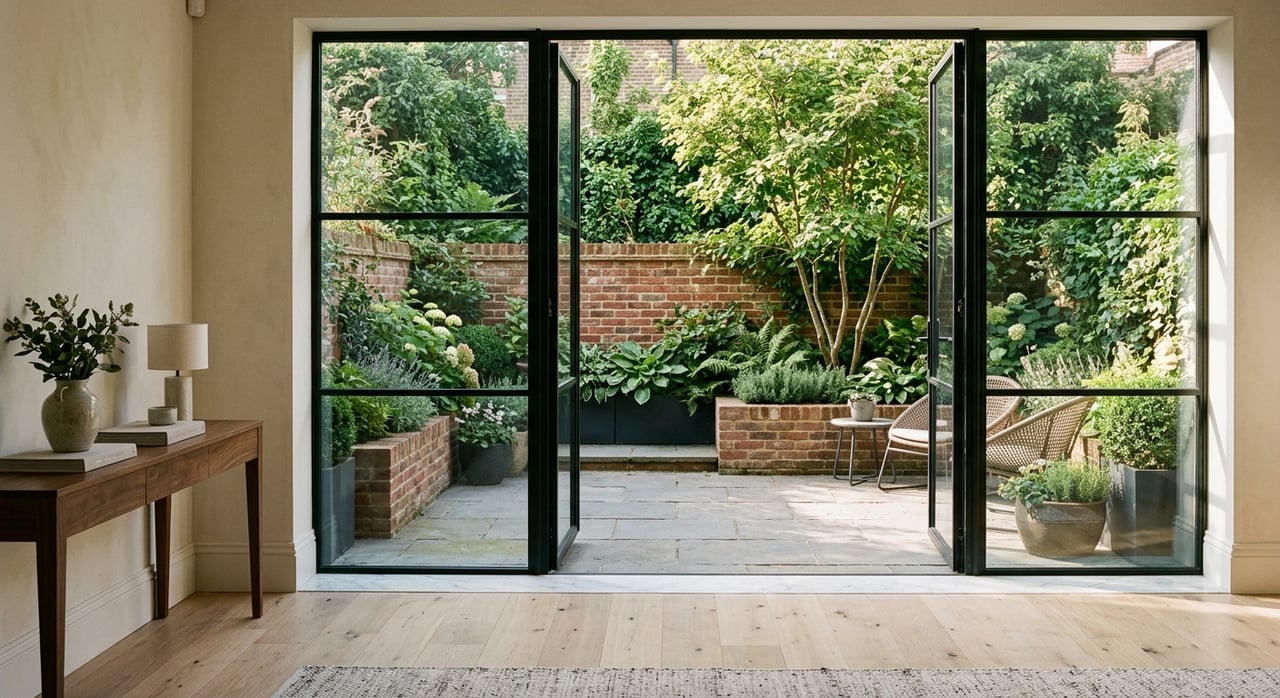
Fort Greene Neighborhood Guide to Brooklyn Living
July 2, 2026
July 2, 2026
If you want a Brooklyn neighborhood that feels both rooted and alive, Fort Greene makes a strong case right away. You get historic blocks, a major park, and a cultural scene that is woven into daily life instead of set apart from it. For buyers and sellers alike, that mix helps explain why Fort Greene continues to stand out in Brooklyn. Let’s take a closer look at what everyday life here really feels like.
Fort Greene is known for a leafy, historic, and relatively calm residential feel in northwest Brooklyn. At the same time, it still offers vibrant commercial corridors and a steady flow of cultural activity. That balance is a big part of the neighborhood’s appeal.
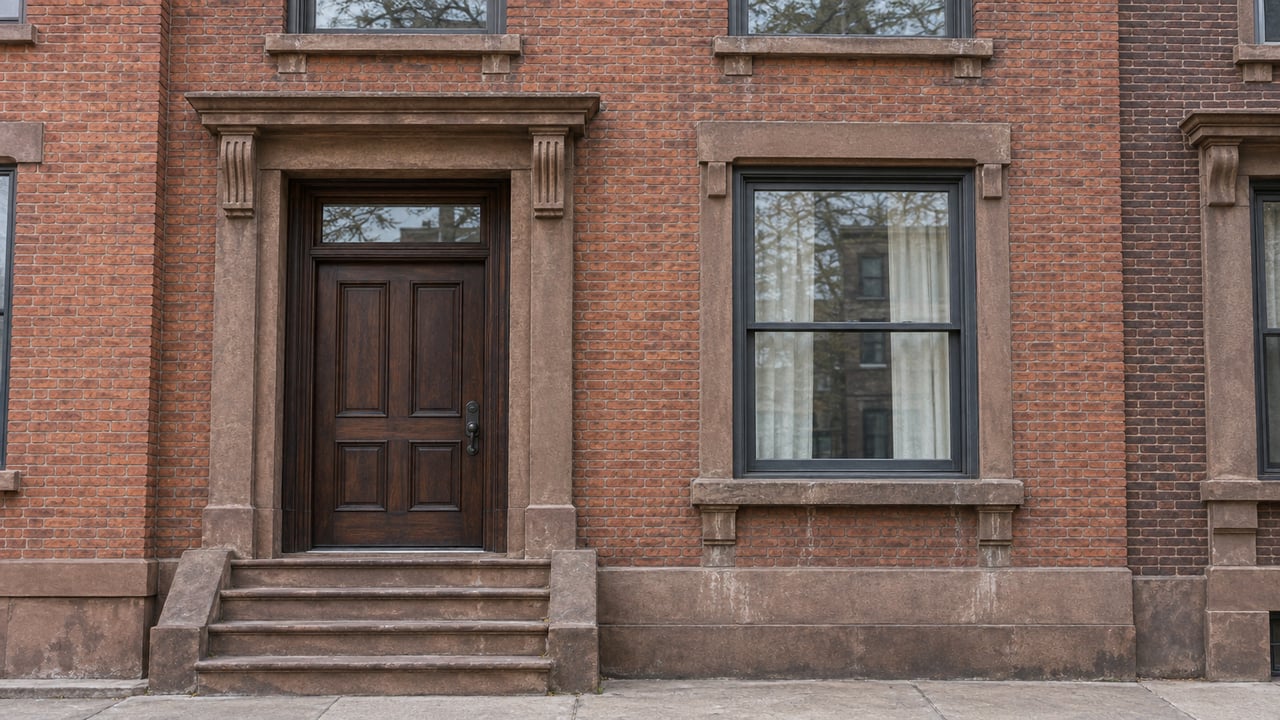
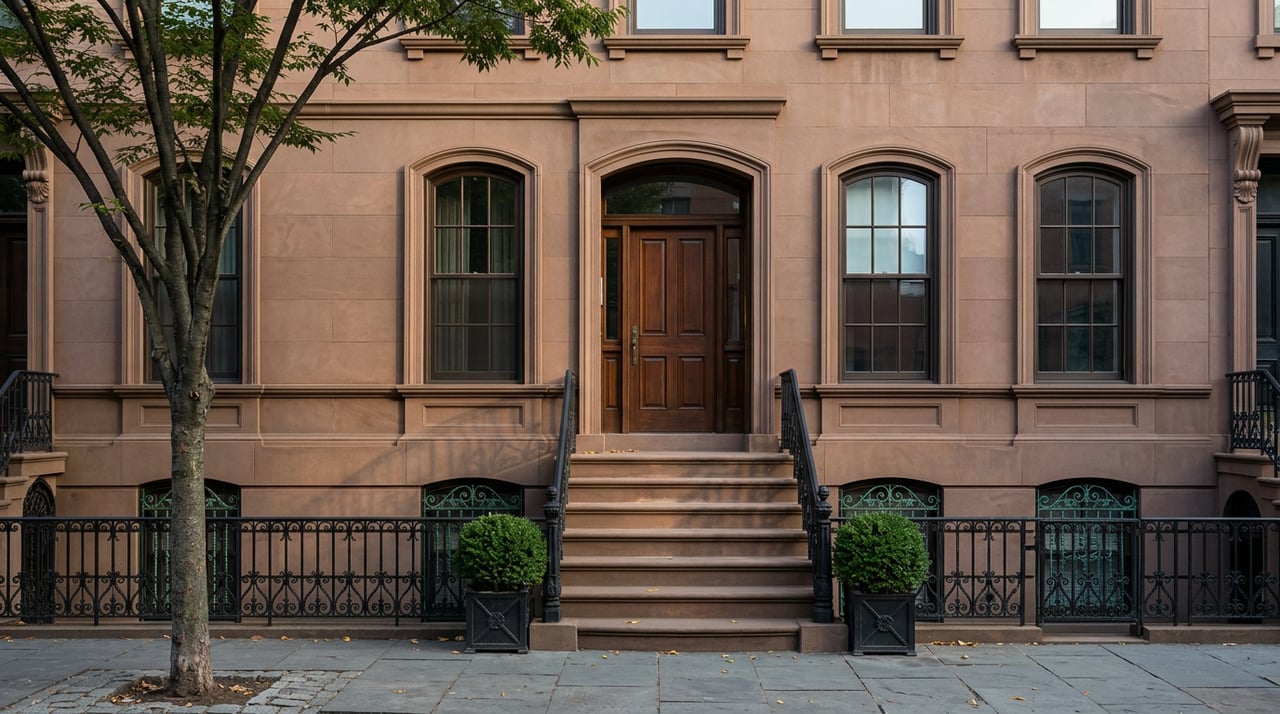
You see it in the streetscape as much as in the lifestyle. Brownstones, rowhouses, and walk-up buildings shape much of the housing stock, while local shops and everyday gathering places help create a strong sense of place along Fulton Street, Lafayette Avenue, and DeKalb Avenue. It feels lived in, not manufactured.
Fort Greene Park is the center of public life here. A city CEQR filing describes it as about 30.17 acres, with a hilly landscape and the Prison Ship Martyrs’ Monument at one of Brooklyn’s highest points.
For many residents, the park works like an outdoor living room. It is a place for walks, meetups, exercise, and regular community events. Time Out describes it as the area’s public square, which captures its role well.
NYC Parks also lists an active capital project focused on park entrances, paths, plaza areas, and drainage infrastructure. For current and future residents, that matters because it shows continued public investment in one of Fort Greene’s defining assets.
Fort Greene’s access to green space is not limited to its namesake park. Nearby options include Commodore Barry Park, along with smaller block-wide parks and playgrounds that support the neighborhood’s day-to-day livability.
There is also the Ubuntu Botanical Garden + Sculpture Park at 48 Lafayette Avenue, operated by MoCADA as an admission-free community green space. That adds another layer to the neighborhood’s identity, blending greenery, public use, and culture in a very Fort Greene way.
The Fort Greene Greenmarket adds another rhythm to neighborhood life. GrowNYC operates it year-round on Saturdays from 8:00 a.m. to 3:00 p.m. at Washington Park between DeKalb and Willoughby Avenues, just outside the park entrance.
Since 2003, the market has connected local farms and residents. For buyers thinking about lifestyle, details like this matter. They help paint a picture of what your weekends and routines might actually look like.
Fort Greene has an unusually dense arts ecosystem for a neighborhood that also feels distinctly residential. The area sits within Brooklyn’s Cultural District, and several major institutions are clustered nearby.
BAM is located at 30 Lafayette Avenue and continues to present theater, film, and music year-round. MoCADA is at 10 Lafayette Avenue, and the Center for Fiction is at 15 Lafayette Avenue. Together, they give the neighborhood a level of cultural access that is hard to replicate.
This is one of Fort Greene’s biggest lifestyle differentiators. You are not choosing between a quiet home base and a culturally rich environment. In many parts of Fort Greene, you can have both.
Fort Greene’s identity is not just about headline institutions. It also shows up in smaller but lasting anchors, like Greenlight Bookstore at 686 Fulton Street, which continues to host events and programming.
The Center for Fiction adds to that literary texture with a public bookstore and café, plus programming for readers and writers. These are the kinds of places that shape neighborhood habits over time. They give Fort Greene a thoughtful, creative atmosphere that many buyers notice right away.
Fort Greene’s dining scene is wide-ranging rather than narrowly defined by one trend. A 2025 Infatuation guide highlights seafood, French, Mediterranean, Italian, Caribbean, American, and Korean options in and around the neighborhood.
That variety supports the feeling that Fort Greene works well as a place to live every day, not just visit occasionally. You can find casual routines, destination dinners, and farmers market shopping all within the same neighborhood pattern.
Street life also matters here. Stoops, local businesses, flea markets, and active commercial stretches help keep Fort Greene feeling social without losing its quieter residential identity.
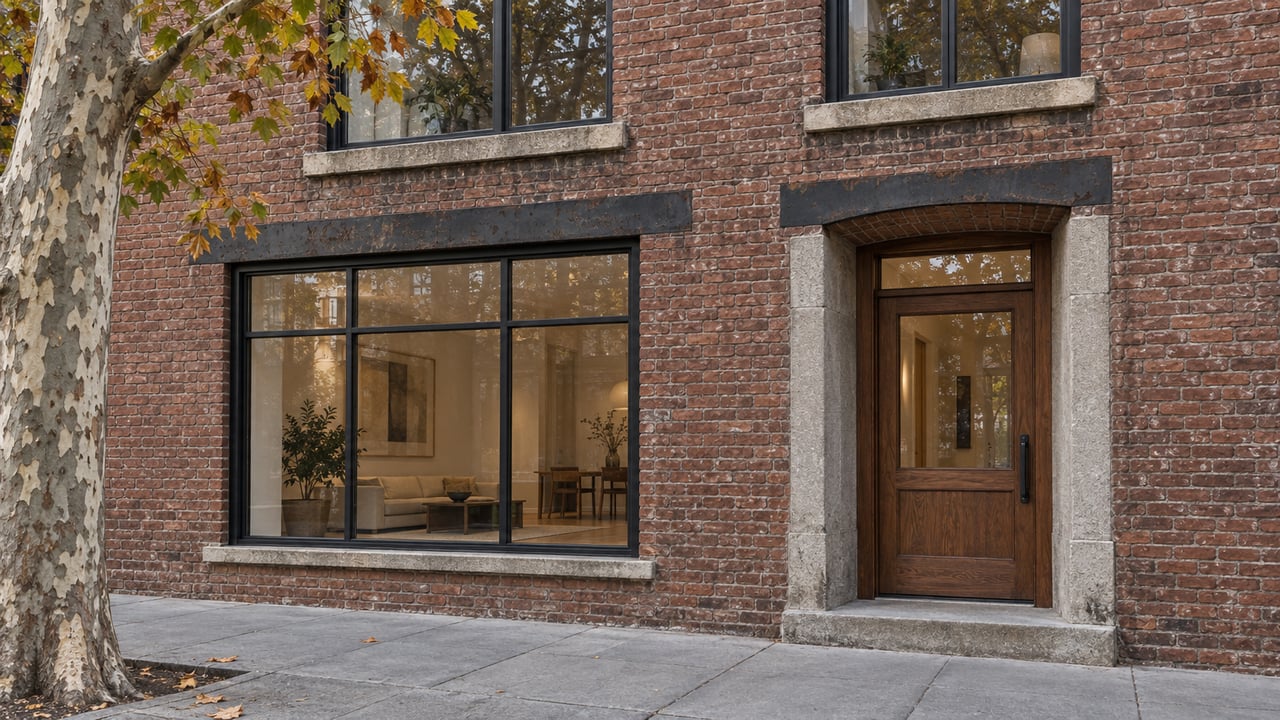
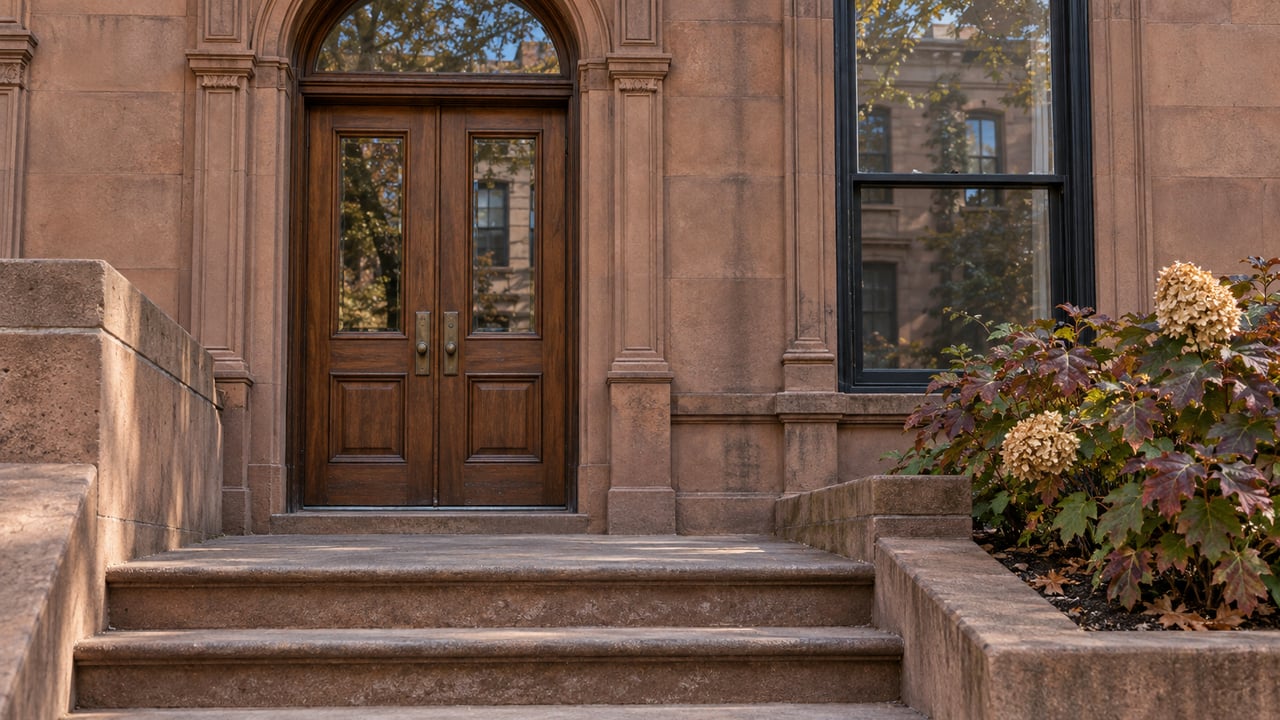
Fort Greene’s housing stock is one of its clearest draws. StreetEasy describes most available real estate as brownstones and rowhouses, which reinforces the neighborhood’s older, low-rise character.
For many buyers, this is the visual and emotional starting point. The architecture offers detail, scale, and a streetscape that feels hard to reproduce in newer neighborhoods. That said, inventory can vary widely by property type, building condition, and block.
While historic housing defines Fort Greene, newer inventory also plays a role. StreetEasy notes that new development has been part of the story along Fulton Street and near Atlantic and Flatbush Avenues.
That means buyers may be comparing very different options within the same neighborhood. You might weigh a condo in a newer building against a co-op or apartment in a converted townhouse, depending on your budget and priorities.
Fort Greene sits above the broader Brooklyn market in both asking rents and asking prices. StreetEasy’s 2026 neighborhood profile puts the median asking rent at $4,500 and the median asking price at $1.863 million.
For context, StreetEasy’s May 2026 Brooklyn report shows borough medians of $3,895 for asking rent and $1.08 million for asking price. That gap helps show how strongly buyers and renters value Fort Greene’s mix of architecture, location, culture, and park access.
StreetEasy also notes that townhouses can command upwards of $4 million, while rentals are often in walk-up buildings and there are relatively few large apartment buildings. In practical terms, buyers and sellers both benefit from understanding how specific property types fit into this very neighborhood-specific pricing landscape.
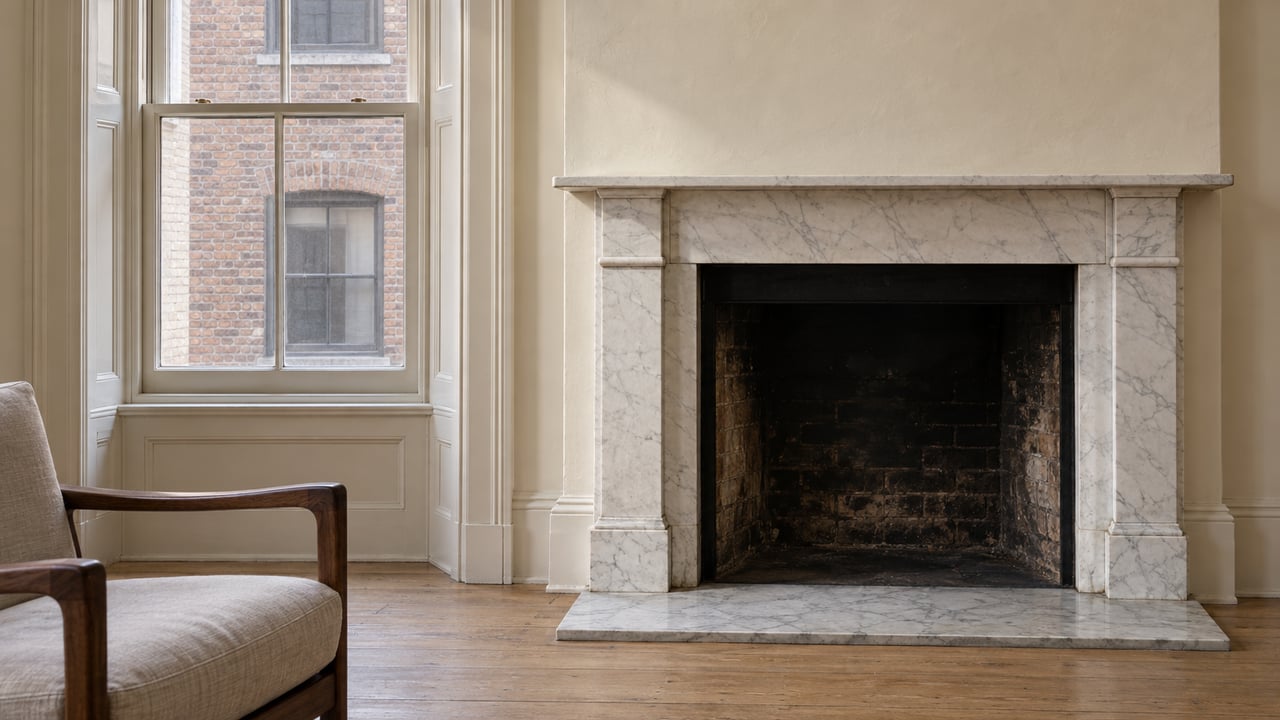
One important part of owning in Fort Greene is preservation oversight. The neighborhood’s rowhouse and brownstone character is supported in part by landmark protection, and the Landmarks Preservation Commission explains that buildings in historic districts are protected and that most exterior alterations require commission approval before work begins.
If you are buying a townhouse or planning renovations, this is not a small detail. It can affect timelines, scope, and planning for exterior work. It is also part of what helps preserve the look and continuity that many buyers value here.
Fort Greene offers strong access to transit, which adds to its appeal for buyers who want a neighborhood feel without giving up connectivity. Time Out lists Fulton Street, Nevins Street, and Lafayette Avenue as nearby subway stations.
MTA materials also identify Atlantic Terminal and Barclays Center as a major hub with 2, 3, 4, 5, B, D, N, Q, and R subway service, plus Long Island Rail Road access. That kind of connectivity can make a real difference in daily routines, whether you commute regularly or just want flexible access across Brooklyn and Manhattan.
Fort Greene is compelling because it delivers on several fronts at once. It offers historic housing, cultural depth, green space, and transit access in one neighborhood package.
For buyers, that often means competition and pricing that reflect long-term demand. For sellers, it means the neighborhood story matters. A home here is not only about the apartment or townhouse itself. It is also about the surrounding lifestyle, from Saturday market runs to evenings near BAM to everyday walks through Fort Greene Park.
If you are thinking about buying or selling in Fort Greene, a clear neighborhood-level strategy matters. The housing stock is varied, the pricing is nuanced, and the details that drive value are often hyperlocal. If you want thoughtful guidance on how Fort Greene fits your goals, Josie Hubschman can help you navigate the next step with clarity and confidence.
Stay up to date on the latest real estate trends.



Josie is fascinated by the real estate market but understands it can feel intimidating without the right guidance. Her deep market knowledge, passion for helping others, and entrepreneurial background make her an invaluable resource for clients navigating the buying or selling process, Work with Josie today!
Get In Touch With Josie To Learn More